Last updated October 30, 2026
 Smart locks
 House lockouts
 Re-keying
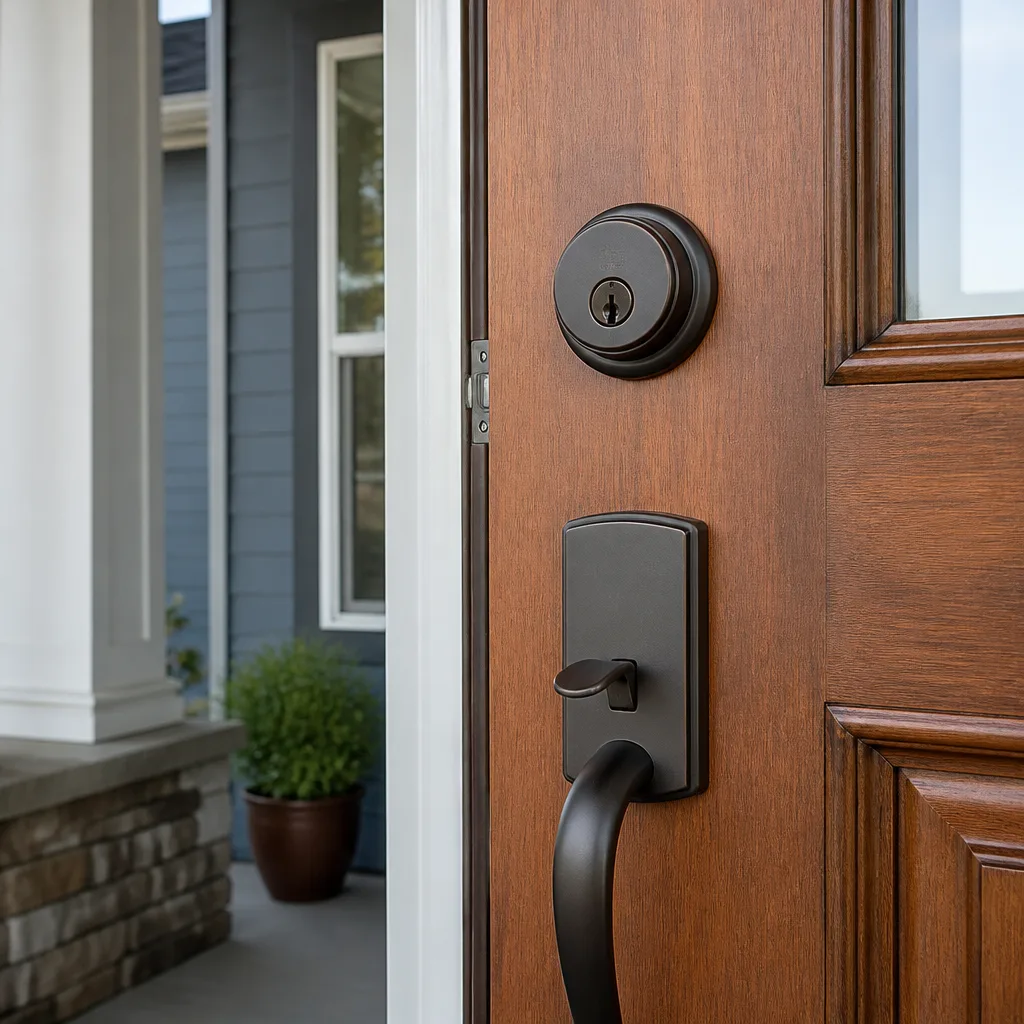 Deadbolt upgrades
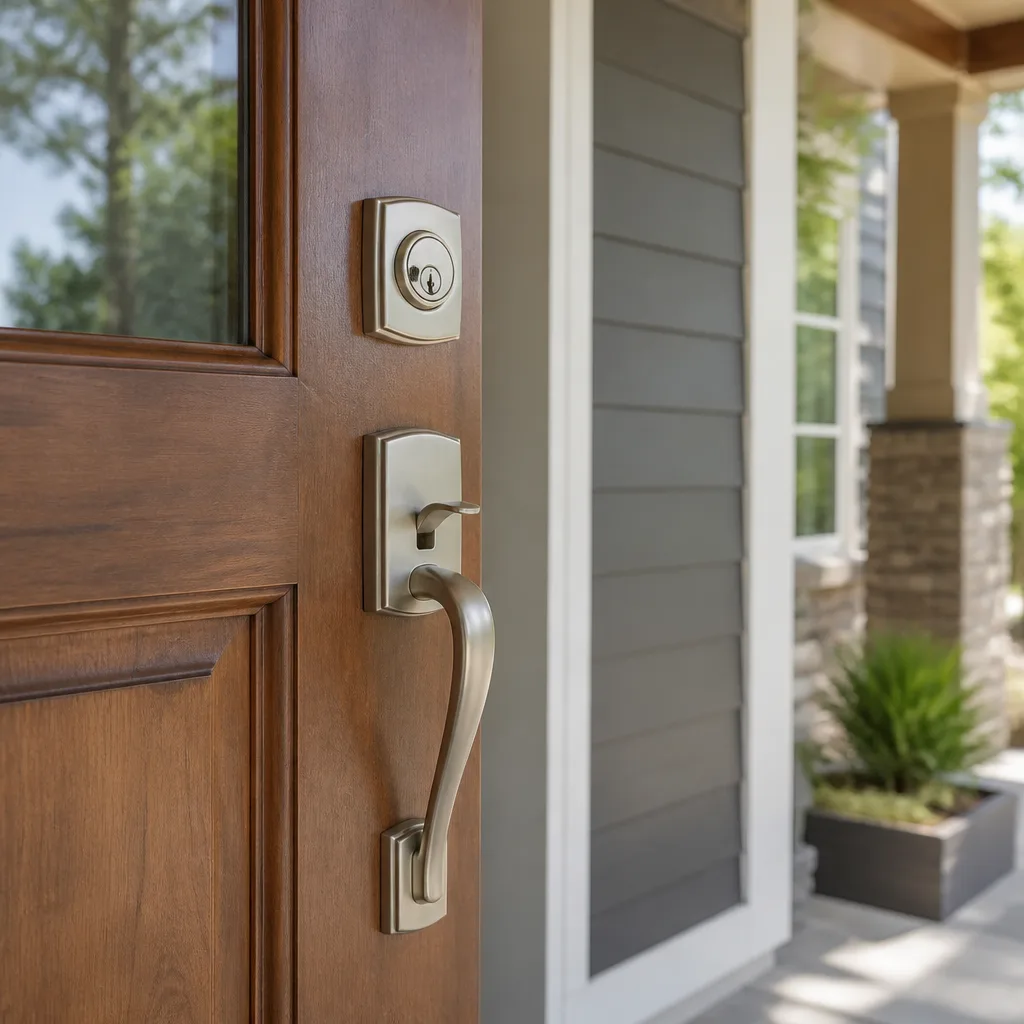 Schlage
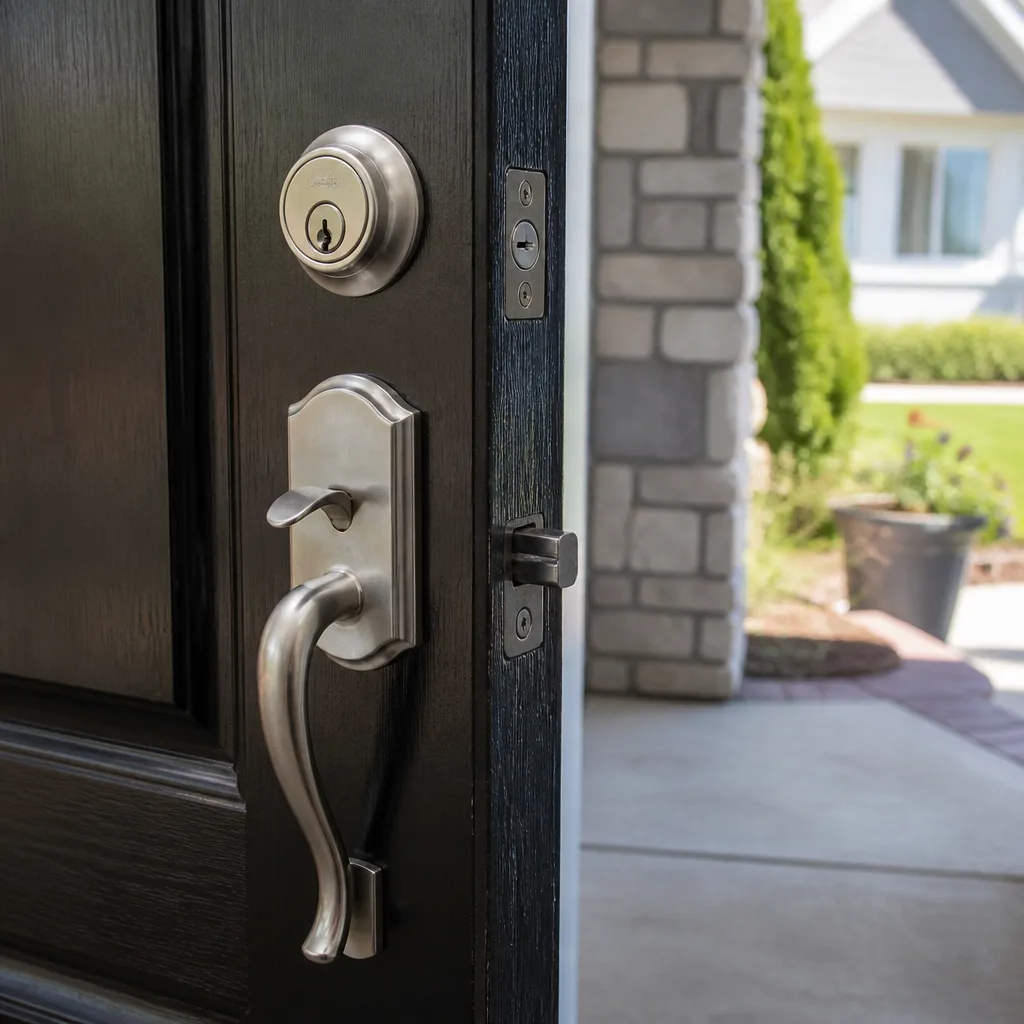 Kwikset
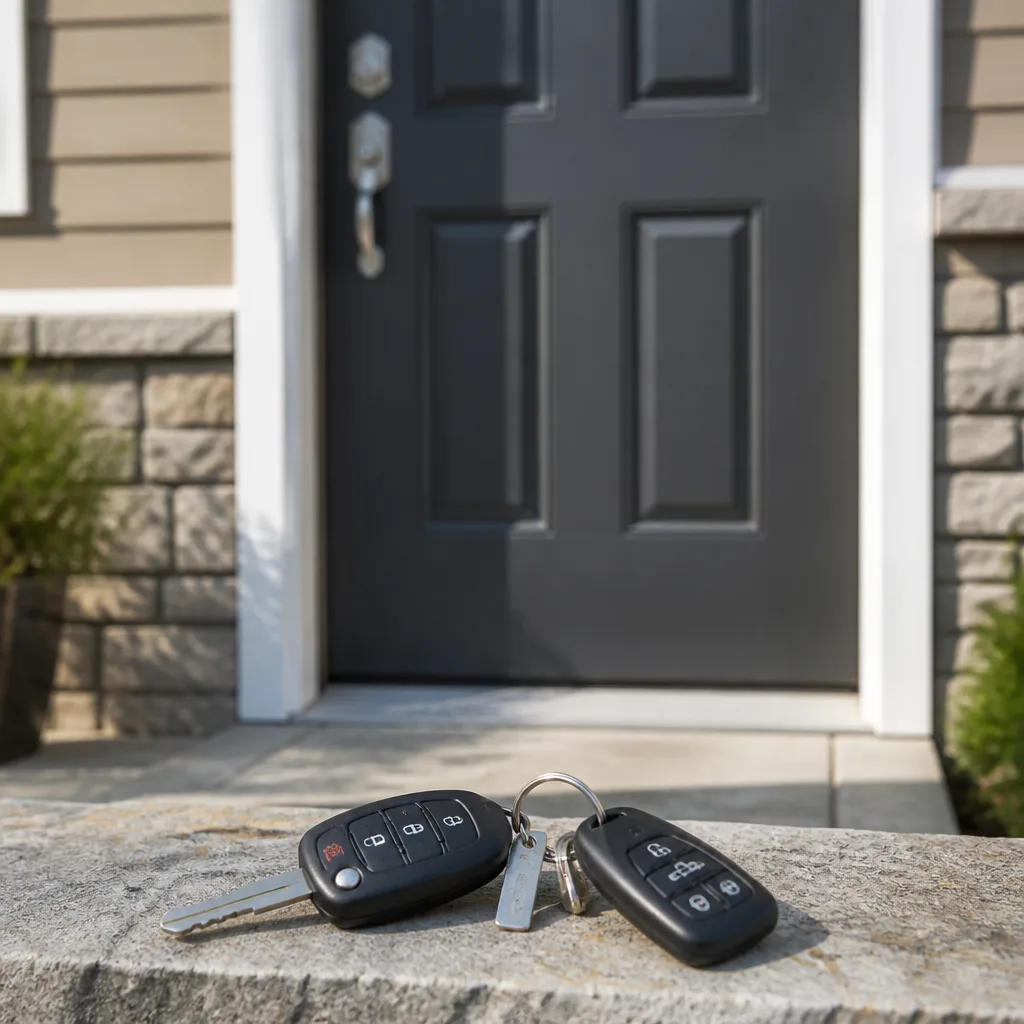 Car keys & fobs
Non-destructive entry first, always - and we re-key Schlage, Kwikset, and Baldwin locks on the spot while you watch
You get a price before we start. It does not change when we arrive. No surprises.
Get your free estimateLocksmith Permits, Codes & Inspections in TX: What You Need to Know
Here’s a counterintuitive fact about commercial property security in Arlington: a lock installation is one of the few trades where the work itself can be invisible until an insurance adjuster asks to see paperwork. Most property owners assume a lock is a lock. It either opens or it doesn’t. But Texas law regulates who can legally install certain hardware, who can copy restricted keys, and what documentation must exist for the work to hold up under scrutiny. If that documentation is missing, a break-in claim can be denied because the installation was never compliant to begin with. This guide walks through the Texas Department of Public Safety licensing tiers, what triggers a building code inspection in Tarrant County, how restricted key systems actually work under Texas duplication law, and how to document every lock job so your insurance file stays clean. We’ll cover the rules plainly, with Arlington-specific context where it matters.
Styles & brands we work with
Quick Answer
Texas requires locksmiths to hold a license issued by the Texas Department of Public Safety (DPS) Private Security Board. There are three licensing tiers: Locksmith Technician, Locksmith Company, and Manager of Record. A property owner hiring an unlicensed individual for paid lock work in Arlington exposes themselves to liability if that work later fails or is tied to a security incident. Restricted key systems from brands like Medeco, Mul-T-Lock, and Abloy have legal duplication controls enforced through signed authorization cards, not just the words stamped on a key.
Table of Contents
- Texas DPS Locksmith Licensing Tiers Explained
- What Requires a Licensed Locksmith vs. a General Contractor in Texas
- How Restricted Key Systems Work Under Texas Duplication Law
- Do You Need a Permit for Lock Work in Arlington?
- When Lock Installation Triggers a Building Code Inspection in Tarrant County
- Documenting Lock Work for Insurance and Property Records
- Common Mistakes to Avoid
- When to Call a Professional
- Frequently Asked Questions
- The Bottom Line
Texas DPS Locksmith Licensing Tiers Explained
Texas runs locksmith licensing through the DPS Private Security Board, and the structure has three distinct levels. Understanding the difference between them is the single most useful thing a property owner in Arlington can do before hiring anyone to touch a lock.
Locksmith Technician is the individual-level license. This person has passed a background check through the Texas DPS, submitted fingerprints, and met training requirements set by the state. A technician license authorizes the holder to perform locksmith work, but it does not authorize them to operate a business independently. They must work under a licensed company.
Locksmith Company License is held by the business entity itself. The company must have a licensed Manager of Record on file with the DPS. Every job performed by the company falls under the company license, which means the company answers to the state for the conduct of its technicians.
Manager of Record is the individual designated by a locksmith company to oversee compliance. This person is responsible for ensuring that all technicians working under the company license are properly licensed, that records are kept, and that the company operates within the scope of Texas law. If a company loses its Manager of Record, it can lose its license.
Here’s the practical takeaway for anyone hiring in Arlington: ask to see all three. A legitimate operation will show you a company license number, a technician license number, and a named Manager of Record. If the person who shows up at your door cannot produce a technician license on request, walk away. The risk lands on you, not on them.
Our team at Stalwart Locksmith is built around this structure. We work across eight hardware brands, from Kwikset and Schlage up to Medeco, Mul-T-Lock, and Abloy, and every job we do in Arlington falls under the proper licensing framework. That’s the baseline, not the selling point. The selling point is knowing the difference between a legal job and an illegal one before the truck ever rolls.
What Requires a Licensed Locksmith vs. a General Contractor in Texas
Texas draws a bright line between what a locksmith can do and what a general contractor or handyman can legally perform. Crossing that line has consequences, and the line is not where most people think it is.
Work that requires a licensed locksmith in Texas:
- Opening a locked vehicle, home, or commercial property for compensation (lockout services)
- Installing, repairing, or rekeying mechanical or electronic locks when access control is part of the job
- Cutting, duplicating, or programming keys, including transponder and high-security keys
- Installing or rekeying master-key systems in commercial buildings
- Servicing restricted key systems such as Medeco, Mul-T-Lock, or Abloy
- Any work involving a lock cylinder, keyway, or locking mechanism that controls access to a secured space
What a general contractor or handyman can legally do in Arlington:
- Install a new door that includes a pre-drilled lock bore (the door itself, not the lock cylinder)
- Install a deadbolt strike plate as part of a larger door jamb repair
- Drill a hole for a new deadbolt in a door slab, as long as they do not install or rekey the lock cylinder
- Perform structural work on door frames, hinges, and thresholds
- Install a smart lock only if the cylinder is left as-shipped and no rekeying or key duplication occurs
In Arlington, we regularly see property owners hire a general contractor to hang a new door and then ask that same contractor to “throw a lock on it.” That’s the moment the job crosses into licensed territory. The contractor can hang the door. The lock cylinder, the rekey, the key duplication, all of it belongs to a licensed locksmith. If an unlicensed person performs that work and a break-in later occurs, the property owner may have no legal recourse and no insurance coverage for the resulting loss.
Our Stalwart Locksmith home team handles the lock side of these Arlington projects daily. We coordinate with contractors on new construction and remodels so the door work and the lock work each stay on the right side of the law.
How Restricted Key Systems Work Under Texas Duplication Law
The phrase “do not duplicate” stamped on a key carries almost no legal weight in Texas. It’s a request, not a law. A licensed locksmith can legally copy any standard-pattern key that says “do not duplicate” because the stamp itself is not a legally binding restriction. Texas has no statute that criminalizes the duplication of keys marked with those words.
Restricted key systems are different. These are not marked with a generic phrase. They are protected by three layers: a patent-protected keyway, a signed authorization card, and a controlled distribution chain.
Here’s how it works with the brands we service:
- Medeco: The keyway itself is patented and cannot be cut except by a Medeco-authorized locksmith. You sign an authorization card that lists who can order copies. Every Medeco key we cut in Arlington traces back to that card. Without authorization, the key blank is not obtainable through legal channels.
- Mul-T-Lock: Uses a telescopic pin system with a protected key blank. The owner of record signs a key ordering card. A locksmith who releases Mul-T-Lock keys without that card is violating the manufacturer’s distribution agreement and may face legal exposure.
- Abloy: The rotating disc cylinder means the key cannot be duplicated on a standard key machine at all. Abloy keys are produced only through authorized channels with proof of ownership.
When a property owner in Arlington asks us about “do not duplicate” keys, we explain the difference plainly: a standard Kwikset key with that stamp is a suggestion. A Medeco, Mul-T-Lock, or Abloy key is a legal control system. If you want enforceable key control, buy the restricted keyway. The stamp alone does nothing.
This is where the brand tier matters. Most locksmiths stock one hardware tier. Our shop works across the full spectrum, from Kwikset and Schlage up through Yale, Baldwin, and the high-security systems. That range matters when you’re deciding whether restricted keys are worth the investment. They almost always are for commercial property in Arlington, especially multi-tenant buildings where you need to know exactly who holds keys and who can legally order more.
Do You Need a Permit for Lock Work in Arlington?
Most residential lock work in Arlington does not require a city permit. Rekeying a home, replacing a deadbolt, cutting a new house key, or installing a smart lock on an existing door are all permit-free. The work is regulated at the state level through the DPS license, not at the city permit counter.
Commercial work is where Arlington and Tarrant County requirements can kick in. Here are the scenarios where a permit or inspection may be required:
- Installing or modifying an access control system that integrates with fire alarm or fire door release hardware
- Installing electrified locks, maglocks, or electrified exit devices on fire-rated doors
- Modifying a fire-rated door assembly in any way, including drilling new lock holes
- Installing a master key system in a building that requires an occupancy certificate from the City of Arlington
- Work on doors that serve as marked exits in commercial or multi-family buildings
The fire code angle is the one most property owners miss. A fire-rated door is a tested assembly. Drill a new hole for a lock through that door and you have compromised the fire rating. The City of Arlington enforces this through fire marshal inspections, and a non-compliant modification can trigger a correction notice, a failed inspection, and a delay in occupancy or lease-up.
For residential interior doors, the answer is simpler: no permit needed, and a licensed locksmith is not strictly required by city code for DIY work. But the moment you hire someone, the state license requirement applies. Unlicensed-for-hire is illegal, even if the work itself would be legal as DIY.
When Lock Installation Triggers a Building Code Inspection in Tarrant County
Tarrant County adopts the International Building Code and International Fire Code with local amendments, and the City of Arlington enforces those codes through its building inspection department. A basic residential rekey never triggers an inspection. But the list of triggers is longer than most people expect.
Lock installations that typically trigger an inspection or fire marshal review in Tarrant County:
- Electrified hardware on exit doors. Any lock that requires power to unlock must fail safe, meaning it releases when power is cut. Arlington fire inspectors test this. A maglock that stays locked during a power outage is a life-safety violation and will fail inspection.
- Delayed egress systems. In certain commercial and institutional occupancies, delayed egress locks that hold a door for 15 or 30 seconds before releasing require fire code approval. These systems must integrate with the fire alarm and release immediately on alarm.
- Access control on fire-rated stairwell doors. Stairwell doors in multi-story commercial buildings are fire-rated assemblies. Installing a card reader or electric strike modifies that assembly and requires fire marshal review.
- New master key systems in buildings with more than one tenant. The Certificate of Occupancy may require documentation that the keying schedule meets fire code exit requirements, especially for doors serving common areas.
- Panic hardware installation or modification. Exit devices, crash bars, and panic hardware must meet specific mounting height and force requirements. A locksmith who installs these incorrectly will fail the inspection and the door will not meet egress requirements.
We see a specific failure pattern in Arlington commercial buildings: a tenant installs an electronic deadbolt on a rear exit to control theft, and the fire marshal flags it because the door no longer exits freely. It’s a simple fix when caught early, but it becomes a citation if the fire marshal finds it during an annual inspection. Knowing the code before you buy the lock saves that entire headache.
This is also where our Rekey Locks in Arlington work intersects with code compliance. When we rekey a commercial property after a tenant change, we check the exit devices and fire door hardware as part of the job. It’s not an upsell. It’s just how a proper commercial rekey is done in Tarrant County.
Documenting Lock Work for Insurance and Property Records
Here’s the section most people skip until they need it, and by then it’s too late. Your insurance company does not care what a locksmith told you on the phone. They care what’s on paper. After any lock work on a commercial property in Arlington, there are specific documents that should exist, and missing any of them can weaken a future claim.
The documentation every commercial lock job should produce:
- Invoice with license numbers. The invoice should show the company license number, the technician license number, and the Manager of Record name. If an unlicensed person did the work, the invoice will not have these numbers, and that’s a red flag for any adjuster.
- Certificate of compliance. This is a written statement that the work was performed in accordance with applicable Texas DPS regulations and Arlington building codes. It’s not a government form. It’s a document a proper locksmith provides, on letterhead, stating what was installed and that the installation meets code.
- Key control log or keying schedule. For master key systems, a written keying schedule shows which keys open which doors, how many keys exist, and who holds them. If a break-in occurs and you cannot account for every key, your insurer may question whether the loss was forced entry at all.
- Restricted key authorization cards. For Medeco, Mul-T-Lock, or Abloy systems, these cards are the legal mechanism that controls duplication. The cards belong in your property file, and copies belong with the locksmith. Without the card, you cannot prove the key system was legally controlled.
- Photos of the finished hardware. Before and after photos of the lock, strike plate, and surrounding door condition. These photos document the condition at the time of installation and can be decisive in a dispute about whether damage occurred before or after the work.
When we complete a commercial job in Arlington, we hand the property owner a file with every one of these items. It’s not because every customer asks for it. It’s because the one who needs it three years later, standing in front of an adjuster after a break-in, should not have to reconstruct history from memory.
For property owners handling Car Key Replacement in Arlington or residential rekeys, the documentation bar is lower, but the same principle applies: a written record of who did the work and what was installed protects you. Keep the invoice. Note the license numbers. File it with your home records.
Common Mistakes to Avoid
- Hiring a handyman to rekey a commercial space because it’s “just a lock.” The handyman cannot legally perform that work for compensation in Texas. If a key goes missing later and you cannot account for the keying schedule, your insurance claim starts from a weak position.
- Assuming “do not duplicate” means anything under Texas law. It doesn’t. Standard keys with that stamp can be legally copied. If you need enforceable key control in Arlington, you need a restricted keyway from Medeco, Mul-T-Lock, or Abloy.
- Installing an electric strike or maglock on a fire door without checking the fire code. In Tarrant County, this is one of the most common fire marshal violations we see in commercial buildings. The fix costs more than the original install.
- Not documenting who holds keys after a tenant moves out. A tenant exits, a key is never returned, and six months later a theft occurs with no sign of forced entry. Your insurer will ask how many keys exist and who holds them. If you cannot answer, the claim gets complicated.
- Assuming all locksmiths can work on all brands. Most stock one tier of hardware. A shop that only carries consumer-grade Kwikset and Schlage is not going to properly service a Medeco restricted system or a Baldwin mortise lock. Match the brand to the locksmith’s actual capability.
- Skipping the certificate of compliance on a commercial job. It’s the document that proves the installation was legal and code-compliant. Without it, you’re trusting a future adjuster to take your word. Adjusters don’t take anyone’s word.
When to Call a Professional
Some lock work is genuinely DIY territory. Replacing a standard deadbolt on an interior residential door, swapping a doorknob, installing a basic smart lock on an existing bore, these are reasonable homeowner projects. The moment the work involves any of the following, call a licensed locksmith: commercial master key systems, restricted key duplication, electrified hardware, fire door modifications, lockout services, transponder key programming, or any job where you need documentation for insurance. The liability of getting it wrong outweighs the cost of getting it right. Stalwart Locksmith offers free estimates in Arlington, call (877) 626-0257 before you start the work so you know what you’re actually dealing with.
If you’re locked out right now, our Emergency Locksmith in Arlington response is built for the call that can’t wait. We’re the team you lean on when the moment matters, and we arrive licensed, documented, and ready to work.
Frequently Asked Questions
A locksmith in Texas must hold a Locksmith Technician license issued by the Texas DPS Private Security Board, and any locksmith company must hold a Locksmith Company License with a Manager of Record on file. Always ask to see the technician license and company license before work begins. Call (877) 626-0257 to verify that Stalwart Locksmith is properly licensed for your Arlington job.
Yes. Texas law does not criminalize copying a standard key stamped “do not duplicate.” The stamp is a request, not a legal restriction. Restricted key systems like Medeco, Mul-T-Lock, and Abloy use signed authorization cards and patent-protected keyways instead, which do have legal force. Call (877) 626-0257 to discuss restricted key options for your Arlington property.
No. Residential rekeying in Arlington does not require a city permit. The work is regulated by the state licensing requirement, which means the person performing the paid rekey must hold a Texas locksmith license. Call (877) 626-0257 for a free rekey estimate in Arlington.
An inspection is required when lock work modifies a fire-rated door, installs electrified hardware on exit doors, adds delayed egress systems, or changes access control on stairwell doors. These are fire marshal review items in Tarrant County. Call (877) 626-0257 to have a licensed locksmith evaluate your Arlington commercial door before you install.
Keep the invoice showing the company and technician license numbers, a certificate of compliance from the locksmith, the keying schedule or key control log, and photos of the finished hardware. Any licensed Arlington locksmith should provide these on request. Call (877) 626-0257 and we will walk you through the documentation for your property.
A Locksmith Technician license authorizes an individual to perform locksmith work. A Locksmith Company License authorizes a business to offer locksmith services using licensed technicians under a Manager of Record. Both are required for a legitimate operation. Call (877) 626-0257 to confirm that your Arlington job will be handled under both licenses.
The Bottom Line
Texas locksmith regulation exists to keep unlicensed, untrained, and sometimes outright criminal operators away from your doors. The three-tier structure of Technician, Company, and Manager of Record creates accountability, but only if you check for it. Restricted key systems give you real legal control where a stamped key gives you none. Fire code compliance in Tarrant County is not optional, and documentation is the difference between a clean insurance claim and a denied one. Whether you’re rekeying after a tenant change, upgrading to Medeco or Mul-T-Lock, or just replacing a worn Baldwin deadbolt in Arlington, the right professional makes the process simpler than the law makes it sound. Stalwart Locksmith works across eight hardware brands, from Kwikset to Abloy, with the licensing and documentation to back every job. Call (877) 626-0257 for a free estimate. Your car, your home, your business, one locksmith.
Written by the team at Stalwart Locksmith, serving Arlington since 2018.