Last updated October 30, 2026
 Smart locks
 House lockouts
 Re-keying
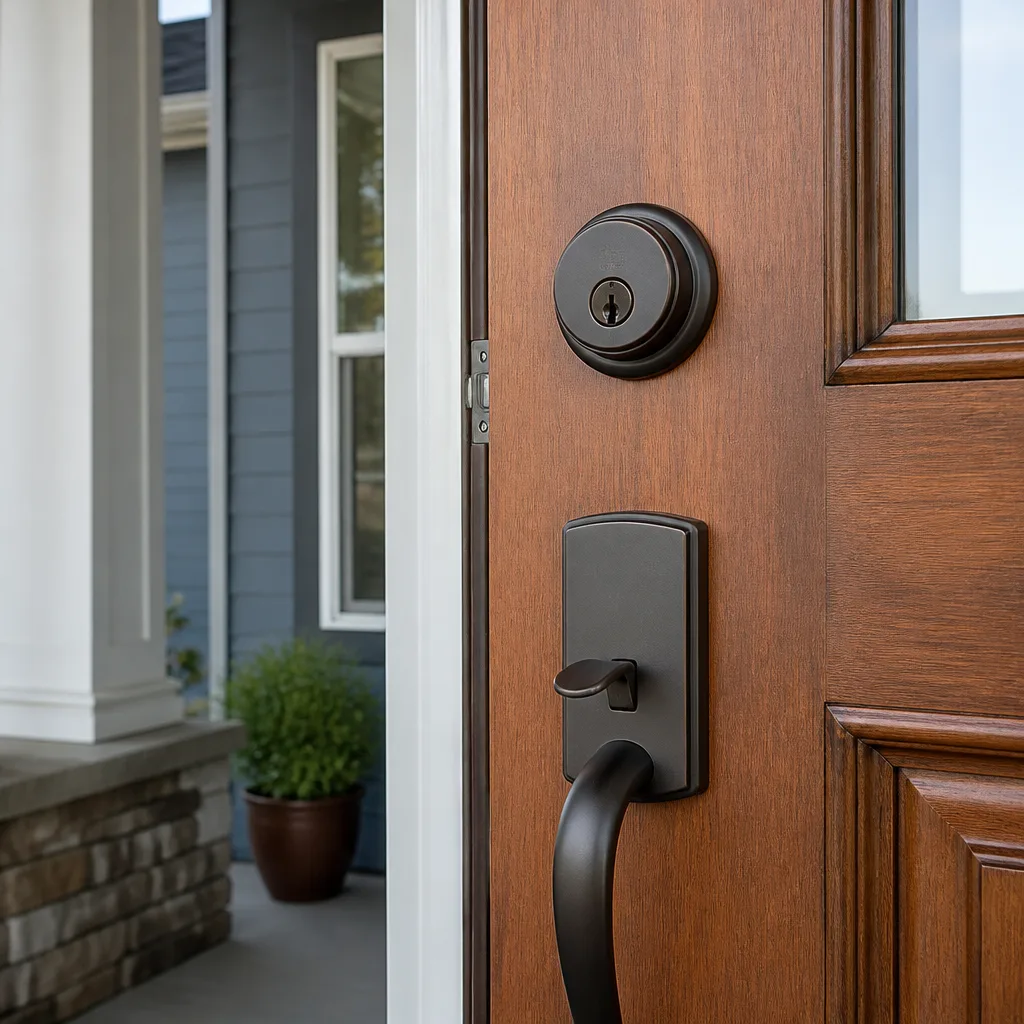 Deadbolt upgrades
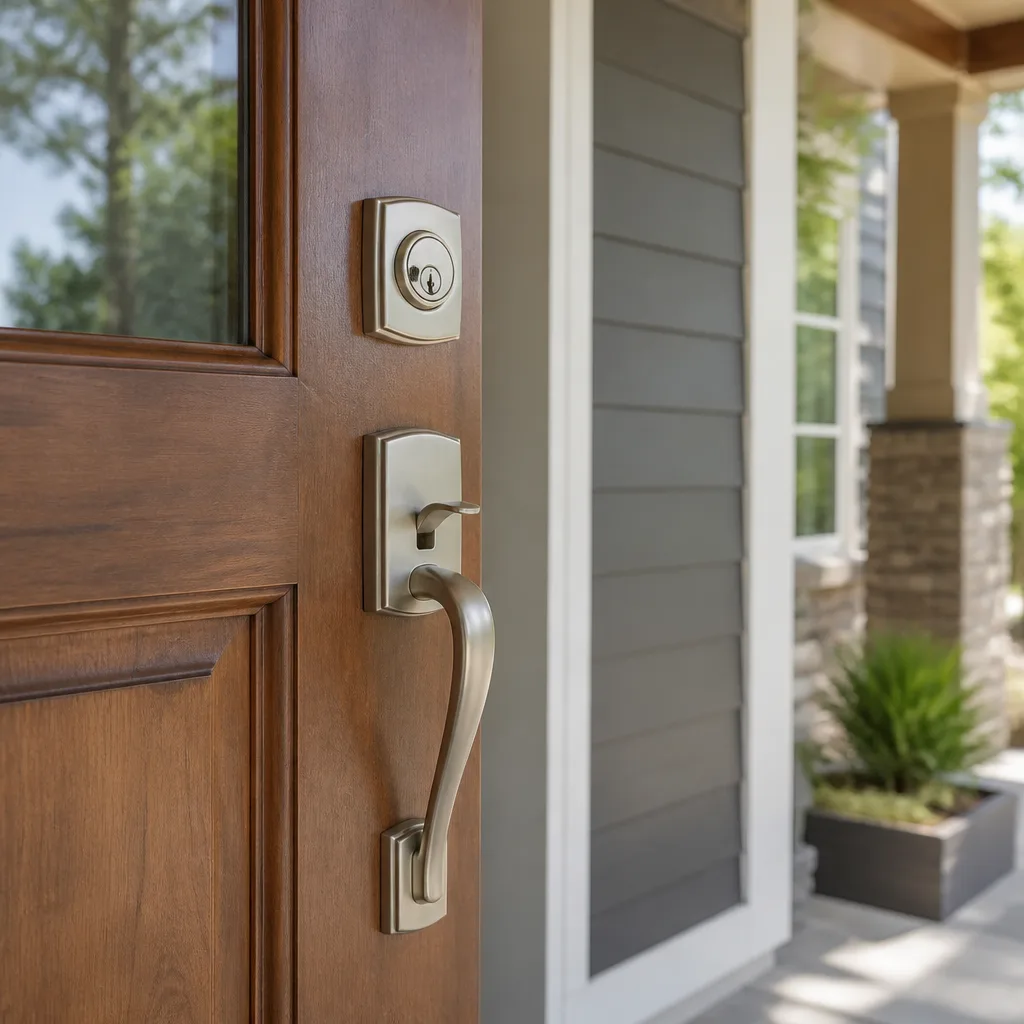 Schlage
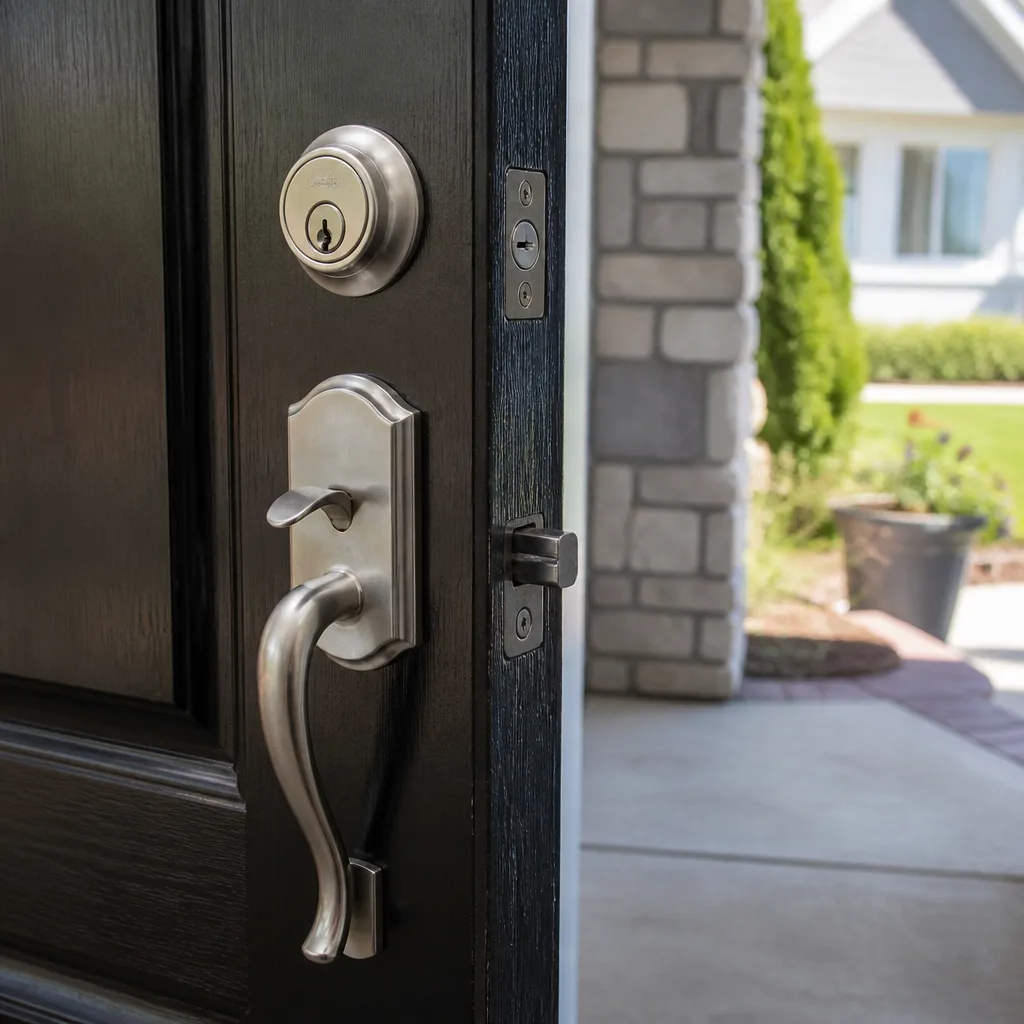 Kwikset
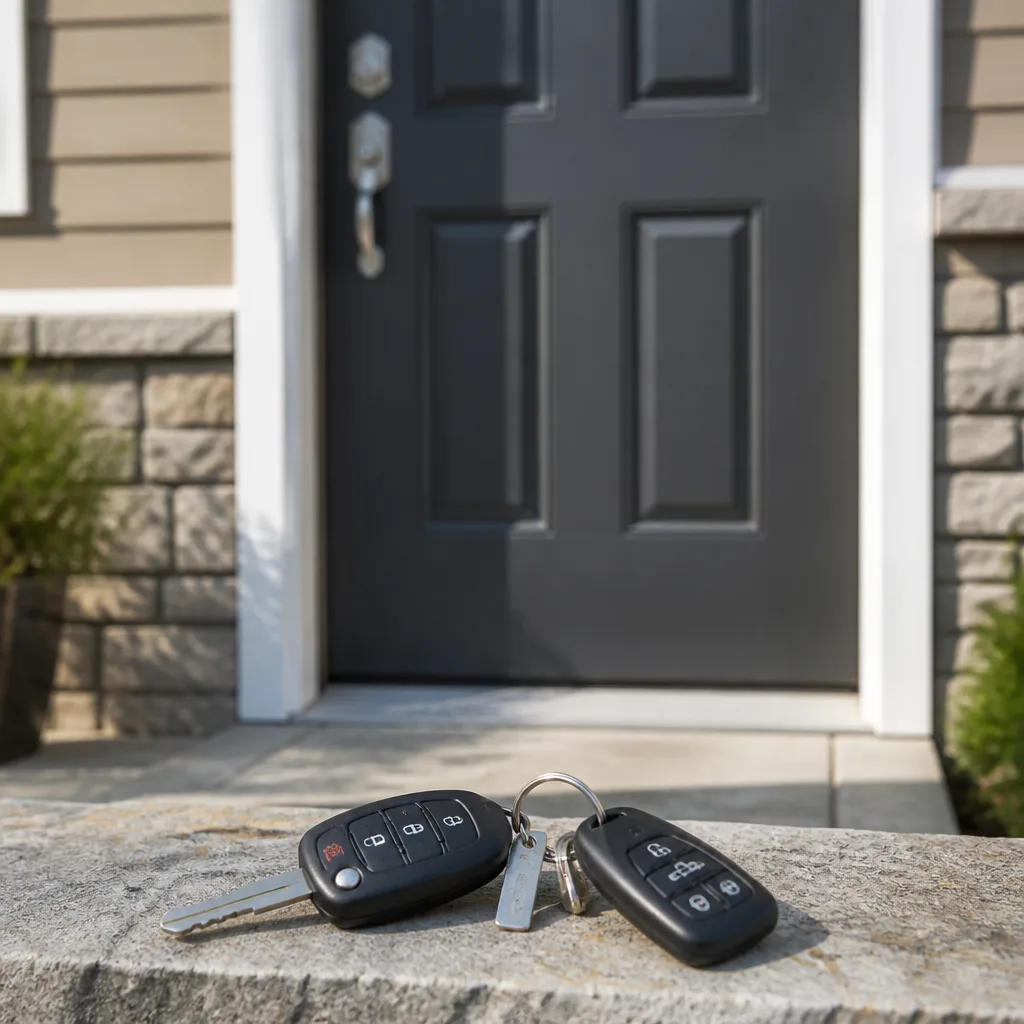 Car keys & fobs
Non-destructive entry first, always - and we re-key Schlage, Kwikset, and Baldwin locks on the spot while you watch
You get a price before we start. It does not change when we arrive. No surprises.
Get your free estimateLocksmith Warning Signs: A Arlington Homeowner’s Reference Guide
Most Arlington homeowners only think about their locks when a key snaps off in the deadbolt or they’re standing on the front porch at 11 p.m. wondering why the key won’t turn. But locks are mechanical systems that degrade in predictable, observable ways, and they announce their decline months before outright failure. A lock that’s “a little hard to turn” is not breaking in. It’s already broken. In most residential deadbolts, that friction is the first sign of a worn driver pin that will fail completely within 60 to 90 days. This guide explains how to read the warning signs your locks are giving you, what each symptom actually means mechanically, when a door alignment issue is masquerading as a lock problem, and how Arlington’s climate and housing stock accelerate lock wear in ways you’ll want to understand before you’re locked out or, worse, before a lock fails on the wrong night.
Styles & brands we work with
Quick Answer
The most common signs you need a locksmith in Arlington TX are: a key that requires increasing force or wiggling to turn, a deadbolt that won’t fully extend into the strike plate, a latch that sticks or doesn’t retract fully, a key that’s loose inside the cylinder, visible scratches or tool marks around the keyway, a smart lock that responds inconsistently, and any lock that fails after someone’s forced entry attempt. If you’re noticing more than one of these symptoms on the same lock, the mechanism is already failing and should be addressed before it leaves you stranded. Call (877) 626-0257 for a free assessment.
Table of Contents
- Key Resistance: What Increasing Force Actually Tells You
- Sounds That Signal Internal Failure: Grinding, Clicking, and Scraping
- Latch and Deadbolt Engagement Problems: Partial Throws and Sticky Latches
- Lock Problem or Door Problem? The Misdiagnosis That Costs Homeowners Money
- Electronic and Smart Lock Warning Signs: Error Codes, Delays, and Partial Engagement
- Tampering vs. Normal Wear: How to Tell the Difference and Why It Matters
- Timeline from First Warning Sign to Failure: What Arlington Homes Experience
- Common Mistakes to Avoid
- When to Call a Professional
- Frequently Asked Questions
- The Bottom Line
Key Resistance: What Increasing Force Actually Tells You
Key resistance is the single most reliable diagnostic signal a lock provides, and Arlington homeowners describe it in remarkably consistent ways: “I have to pull the key back a hair before it turns,” “the key feels gritty going in,” “it only works if I lift the key slightly.” Each of these descriptions points to a different internal condition, and understanding the distinction matters because the repair approach is not the same.
When you feel increasing resistance that builds gradually over weeks, you are almost certainly dealing with worn driver pins inside the cylinder. In a pin-tumbler lock, six or seven spring-loaded pins ride against the ridges of your key. As those pins and springs wear, the timing of their alignment on the shear line drifts. What you feel is the key fighting against pins that are no longer seating at the correct height. This is mechanical wear, not dirt. Adding graphite or spray lubricant will not reverse it, and in many cases it makes the problem worse by creating a gummy paste from accumulated pocket lint and metal dust.
In our experience across Arlington, Kwikset and Schlage cylinders account for the overwhelming majority of these wear failures. Both brands are solid hardware, but they use different pin materials and stagger tolerances. Kwikset cylinders, which dominate Arlington townhome and builder-grade installations, tend to show pin wear as a “soft” or mushy feel when the plug rotates, often starting around the 7- to 10-year mark. Schlage hardware typically holds its tolerances longer, but when a Schlage key begins to feel tight, the problem is often deeper: a bent pin tower or a weakened spring that makes the entire cylinder feel like it’s resisting at the entry turn rather than mid-rotation.
A key that needs to be wiggled, jiggled, or partially withdrawn to turn is a red flag of a different order. This typically indicates that the cylinder plug itself has shifted slightly due to a loose retaining clip or a worn tailpiece. It’s not that the pins are failing; it’s that the entire plug assembly is no longer aligned with the housing it sits in. This is the lock equivalent of a wheel that’s about to come off, and the failure mode is usually abrupt. One day the key turns, the next day the plug rotates partially and stops, leaving the deadbolt in an indeterminate state.
What To Do When You Notice Key Resistance
- Stop using force. Increased force accelerates wear and can snap a key inside the cylinder, which converts a rekey or cylinder replacement into an emergency extraction.
- Test the same key in a different lock. If a spare key works smoothly in the same lock, the primary key is worn and should be replaced or duplicated from a fresh code. If all keys resist, the cylinder is the problem.
- Note whether resistance is worse in cold weather. Arlington’s winter temperature swings cause metal contraction that exaggerates pin misalignment. If the lock turns smoothly in warm weather but resists in cold, you’re seeing early-stage wear that will become year-round within a season.
- Call for a cylinder evaluation before you’re locked out. The difference between a $25 rekey and a $200 emergency extraction is often just a matter of noticing the warning in time. Call (877) 626-0257 for a professional assessment.
Sounds That Signal Internal Failure: Grinding, Clicking, and Scraping
Locks are acoustic instruments if you know what to listen for. A properly functioning deadbolt is nearly silent. The key slides in with a soft metallic tap of pins seating, rotates with a smooth, muted click, and the bolt throws with a low, reassuring thunk. When those sounds change, something mechanical has changed first.
A grinding or gritty sensation while turning the key indicates contamination inside the cylinder: dust, pocket debris, or the residue of a previous household lubricant like WD-40 that has dried into a sticky film. This is a maintenance issue that can often be resolved with a proper lock lubricant and cylinder cleaning, but if grinding persists after cleaning, it points to a chipped or broken pin. A broken pin doesn’t just feel gritty; it sounds scratchy because the jagged edge of the pin is dragging against the key’s ridges and carving fine grooves into the brass.
A clicking sound while the deadbolt throws is often mistaken for normal operation, but it deserves attention. A healthy bolt glides through the strike plate with a single contact sound. Multiple clicks suggest the bolt is catching on the strike plate edge or riding against a misaligned door. In Arlington homes with slab foundations, door frame settling is a common culprit: the strike plate shifts a fraction of an inch and the bolt begins clipping its edge each time it throws. That’s not a lock failure, but it will become one if ignored, because repeated metal-on-metal impact against the strike plate damages the bolt tip and eventually the mechanism that drives it.
The most urgent sound is a scraping noise when the key is inserted or withdrawn. This can mean the key itself is damaged and its ridges are slightly raised, which causes repeated micro-abrasion against the pin tips. But a brighter, sharper scraping sound often points to foreign material inside the keyway. If a lock has been picked, even crudely, the pick leaves scratches and displacement marks that produce a scraping feel on subsequent key insertion. Not coincidence: key scraping after a period of normal operation is a classic post-tampering sign that many homeowners in Arlington neighborhoods like Forest Hill and Lake Arlington miss.
Audio Diagnostics: A Quick Reference
- Soft grinding when turning: Debris or failed lubricant inside the cylinder. Cleanable, not typically a replacement issue.
- Harsh grinding with metal-on-metal feel: Broken or chipped pin inside the cylinder. Requires cylinder servicing.
- Multiple clicks when the deadbolt throws: Strike plate misalignment, often from door frame movement due to Arlington’s clay-heavy soil shifting foundations.
- Scraping on key insertion into a previously smooth lock: Potential tampering or foreign object in the keyway. Inspect visually before using the key again.
- Complete silence followed by sudden failure: A broken internal spring means the key turns but nothing engages. You’ll lose all tension in the plug at the moment of failure.
Latch and Deadbolt Engagement Problems: Partial Throws and Sticky Latches
The bolt on a deadbolt should extend a full inch into the strike plate. Anything less is a partial throw, and partial throws are the leading cause of door-kick failures. It doesn’t matter that the deadbolt is locked; it matters how much of the bolt is actually holding. If even a quarter inch of the bolt remains unseated, the mechanical holding power drops significantly, and a determined kick will shear the strike plate screws out of the door jamb.
The most common cause of a partial throw is a strike plate that no longer aligns with the bolt. This can happen slowly over years of seasonal door movement, or suddenly after a door is slammed. In Arlington’s variable climate, where summer humidity expands wood and winter heating contracts it, doors move measurably between August and January. A deadbolt that throws fully in April might be clipping by December. The fix is not a new lock; it’s repositioning the strike plate or adjusting the door hinges. But homeowners regularly confuse this for a lock malfunction and replace a perfectly good deadbolt.
A sticky latch presents differently. The latch is the spring-loaded angled piece that keeps the door closed when it’s not locked. When it “sticks” in the retracted position, the door won’t stay shut. When it sticks in the extended position, the door won’t close unless you turn the handle. Both symptoms indicate a failing latch mechanism: either the internal spring has weakened and can no longer return the latch to position, or the latch itself is bent from years of contact with a misaligned strike plate.
Sticky latches are more than an annoyance. A latch that’s stuck in the retracted position when you think the door is closed means the door is technically open. It can be pushed open. This is a real security issue, particularly on side and garage entry doors that aren’t checked as frequently. We’ve seen Arlington homes where a sticky garage entry latch went unnoticed for months, leaving the home’s most used door in a state where a simple push, not even a break-in, opened it.
Deadbolt Engagement Checklist
- Close the door and throw the deadbolt. Look at the gap between the door and the jamb from the inside.
- Place your hand flat on the door at handle height and push. If the door flexes and you can see the bolt through the gap, the strike plate is misaligned.
- Use a flashlight to inspect the bolt’s seating depth inside the strike plate. Any visible bolt face less than fully seated is a partial throw.
- Test the door’s hold by pulling inward firmly from the inside. A properly seated deadbolt holds the door rigid; a partial throw allows visible movement.
- If you see any of these signs, address the strike plate alignment before assuming the lock itself is the problem. A Stalwart Locksmith home inspection can tell you in minutes whether you need a lock repair or a door adjustment.
Lock Problem or Door Problem? The Misdiagnosis That Costs Homeowners Money
More lock replacements happen because of door problems than lock problems. It’s an uncomfortable truth, and it’s one that costs Arlington homeowners real money every year. The lock is blamed when the key sticks, when the bolt won’t throw, or when the door won’t close, but in many cases the lock is functioning exactly as it was designed to. The door and frame are no longer doing their job.
Doors move. Wood expands and contracts with humidity, hinges wear and sag under the door’s weight, and foundations settle. Arlington’s soil is rich in clay, which expands dramatically when wet and contracts when dry. This means the concrete slab under your door frame is in constant, slow motion. Over a decade, a door frame can shift enough to throw off strike plate alignment by a quarter inch or more. The lock didn’t change; the geometry of the opening did.
How do you tell the difference? Start with the simplest test: open the door fully and operate the lock with the door standing free. If the key turns easily and the bolt throws smoothly when the door is open, the lock is fine. The problem appears only when the door is closed, which means the door, frame, or strike plate is the actual issue. If the lock is stiff or rough even with the door fully open and the bolt extending into empty air, the cylinder or mechanism inside the lock is the problem.
The second test is a visual alignment check. Close the door until the latch touches the strike plate but isn’t seated. Kneel down and look at the latch line: is it centered in the strike plate opening? If the latch is sitting high, low, or off to one side, the door has moved. Adjusting hinges or repositioning the strike plate is the correct fix, and it’s typically a fraction of the cost of a new lockset.
Misdiagnosing door alignment as a lock failure leads to unnecessary hardware replacement, but there’s also a risk in the opposite direction. If you blame the door for every problem, you can miss a genuine lock issue. A worn cylinder that turns stiffly is a lock problem whether the door is open or closed. The open-door test separates these reliably. When in doubt, get both assessed at the same time; the goal is to fix the actual problem, not the symptom you can see first.
Electronic and Smart Lock Warning Signs: Error Codes, Delays, and Partial Engagement
Smart locks and electronic deadbolts are becoming standard in Arlington homes, but their warning signs are different from mechanical locks and easier to dismiss. A mechanical lock gives you physical feedback: resistance, sound, partial movement. A smart lock fails digitally first, and by the time you feel a mechanical issue, the electronic failure is usually advanced.
The most common early warning is delayed response. You enter a code or press the fob, and the lock takes a beat before it engages. That half-second delay is not normal; it indicates the actuator motor is struggling, the battery is under voltage, or the internal controller is processing sluggishly. Whatever the cause, the lock is telling you that something in its power delivery or motor function is degrading. The failure mode for a smart lock with a dying actuator is complete, and it happens without the mechanical warning a traditional lock provides. One day the electronics signal the bolt to move, and nothing happens.
Error codes and repeated failed authentication attempts are another signal that’s routinely ignored. A smart lock that intermittently rejects a valid code often has a failing keypad membrane or a touch sensor that’s losing sensitivity. If you’re entering the same code twice because the first attempt didn’t register, the lock isn’t misreading your input; the input hardware is failing.
Partial engagement on a smart lock is especially dangerous. The bolt extends most of the way but you hear a second motor pulse, or the lock reports “locked” when the bolt hasn’t fully seated. This can happen when the bolt is binding against a misaligned strike plate, but with smart locks the actuator may partially drive the bolt and then stall. The lock’s software still reports a successful cycle, but you have a partial throw you can’t see.
Battery replacement is not the solution to every electronic lock problem. A fresh battery can mask an actuator in early failure, and that’s precisely what happens in many Arlington homes. The lock works fine for three days after a new battery, then the behavior returns. If you’ve replaced batteries more than twice in a year, the lock has a deeper problem. Brands like Schlage and Yale build their electronic units to last, but no actuator motor runs forever, and the cost of ignoring the warning signs is a lock that fails at the worst possible time: when you’re standing outside.
Tampering vs. Normal Wear: How to Tell the Difference and Why It Matters
Not every lock problem is a mechanical failure. Sometimes the lock has been attacked, and the distinction matters because your response should be different. A worn lock needs servicing or replacement. A tampered lock means someone tried to defeat your security, and the question becomes: did they get in, and will they try again?
Normal wear accumulates on the internal components: pins, springs, and the cylinder plug. It’s invisible from the outside. What you can see on a merely worn lock is typically limited to fine scratches around the keyway from years of keys being guided in at slight angles. These scratches are hairline, random, and centered on the keyhole itself.
Tampering leaves different marks. A pick attempt produces scratches inside the keyway that are more pronounced, often running parallel to the pins. A wrench or pick leaves broader, brighter marks. Forced entry attempts leave marks around the cylinder face: deep circular scoring from a drill bit that slips, or flat marks on the cylinder rim where a wrench was applied with force. A bump key attempt often leaves a slight indentation at the keyway edge, because bumping involves striking a key sharply while it’s inserted.
Outside the lock, check for pry marks on the strike plate and door jamb. These are usually vertical indentations or paint chips where a crowbar or screwdriver was used against the jamb. Kick-in attempts leave a splintered or cracked door jamb, particularly around the strike plate screws. In Arlington, where many homes have wood door frames that predate modern reinforced strike plates, kick-in attempts often succeed by shearing the screws out cleanly.
Why the distinction matters: a worn lock is a maintenance issue. A tampered lock is a security event. If you find evidence of tampering, the lock should be replaced or professionally rekeyed, and you should consider whether the existing hardware is adequate. In our experience, after a tampering attempt, Arlington homeowners often upgrade to pick-resistant deadbolts from Schlage or high-security cylinders like Mul-T-Lock, which is a different conversation from simply repairing wear. If you’re not sure what you’re looking at, a professional assessment can tell you within minutes. Call (877) 626-0257 to schedule one.
Timeline from First Warning Sign to Failure: What Arlington Homes Experience
Lock failure is rarely instantaneous. There’s a gap between the first noticeable warning sign and actual failure, and that gap is predictable by lock type and warning. Knowing where you are on the timeline matters because early intervention is a simple service call. Late intervention is an emergency.
Kwikset cylinders, which remain the most common in Arlington’s older subdivisions and townhome communities, typically show first signs at 7 to 10 years of service. The most common initial symptom is the “mushy” turn: the key rotates, but the action feels soft and vague. This is a worn plug and pin interface. Without intervention, the mushy turn progresses to granular resistance over the next 12 to 18 months, then to dependable failure between 18 and 24 months. Failure usually means the key refuses to rotate at all or rotates without throwing the bolt.
Schlage deadbolts hold up differently. They often reach the 12- to 15-year mark before showing meaningful wear, but their warning signs are more abrupt. A Schlage lock that starts sticking often moves from “noticeable” to “failed” in 3 to 6 months. The tighter machining that makes Schlage locks durable also means that once tolerances are exceeded, the cylinder binds quickly. If you have a Schlage deadbolt that requires key lifting or a slight pull-back to turn, do not wait. The failure window is shorter than it seems.
Defiant locks, which appear frequently in Arlington rental properties and quick-flip renovations, are the exception to the slow-failure pattern. Defiant cylinders are built to a lower materials standard, and their failure timeline is compressed: first signs at 5 to 7 years, with failure sometimes following within 6 months. A Defiant lock that resists a key is already close to the end of its service life, and replacing it rather than repairing it is usually the better call.
Smart locks follow a different curve. Battery-related issues are chronic and manageable with regular replacement. Actuator and controller issues are not. Once a smart lock starts showing delayed engagement or inconsistent response, the actuator failure window is typically 2 to 4 months. That’s the shortest timeline of all, because an electronic actuator doesn’t wear gradually; it loses function in steps, and each step is closer to the last.
Common Mistakes to Avoid
- Forcing a resistant key. The more force you apply, the faster the pins distort and the higher the chance of snapping the key in the cylinder. A snapped key in a locked door is a more expensive problem than the one you started with.
- Lubricating without cleaning first. Spraying lubricant into a dirty cylinder creates a sludge that accelerates wear. The correct sequence is clean, then lubricate with a proper lock lubricant, or skip both and let a professional service it.
- Replacing a lock when the door is the problem. The open-door test takes 30 seconds and saves you the cost of a new lockset you didn’t need. If the lock works fine with the door open, the frame or strike plate alignment is the issue.
- Ignoring smart lock error codes. Repeated authentication failures and delays aren’t quirks. They’re progression markers on a failure timeline. Once the actuator dies, the lock won’t open regardless of battery state.
- Assuming a worn key is fine because it still works. A key wearing down doesn’t just wear alone; it accelerates pin wear in the cylinder. A visibly worn key should be replaced, and if the cylinder has been running with that worn key for a while, it may need rekeying.
- Waiting until the lockout to call. The gap between first warning sign and failure is your window for a scheduled, affordable fix. Once you’re locked out, you’re in emergency service territory. Call (877) 626-0257 before the lock makes the decision for you.
When to Call a Professional
Call a locksmith when you notice key resistance that isn’t resolved by a spare key, when your deadbolt won’t seat fully, when you hear grinding that cleaning doesn’t eliminate, or when a smart lock behaves inconsistently. Any evidence of tampering should prompt a professional inspection regardless of whether the lock still works. And any situation where you’re locked out or a lock has failed completely is an emergency. Emergency Locksmith in Arlington response is built for exactly these moments. If you’d rather address a warning sign before it becomes a crisis, Stalwart Locksmith offers free estimates in Arlington. Call (877) 626-0257 and we’ll assess the lock, identify whether it’s a repair or a replacement, and quote the full price before any work begins.
Frequently Asked Questions
The most common signs are increasing key resistance, a deadbolt that doesn’t fully throw, a sticky latch, grinding or scraping sounds when turning the key, a smart lock that responds inconsistently, and any visible marks that suggest tampering. Any one of these justifies a professional evaluation; two or more on the same lock means failure is likely within months. Call (877) 626-0257 for a free assessment.
Simple cylinder cleaning and lubrication typically runs $50 to $120 depending on whether the lock needs to be removed and serviced. Rekeying a worn cylinder or replacing internal components usually lands between $80 and $160. Full cylinder replacement, common on Defiant hardware, ranges from $100 to $220 including the new cylinder. High-security cylinder replacements like Mul-T-Lock or Sargent run higher. The exact price depends on what’s inside your door, and we quote it in full before any work starts.
Yes. When you call (877) 626-0257, the price we quote on the phone is the price on your invoice. There’s no call-out surcharge added on arrival and no per-mile fee. If we find additional issues once we’re on site, we’ll explain them and get your approval before doing anything that changes the quoted price.
Our emergency locksmith team dispatches to Arlington lockouts as quickly as possible, understanding that being locked out is a situation that can’t wait. Emergency locksmith response is a core part of what we do, and you’ll speak with a real person when you call (877) 626-0257.
Yes, and in most cases it’s the smarter move. Rekeying locks in Arlington means repositioning the pins inside the existing cylinder so the old keys no longer work. It costs a fraction of full hardware replacement and restores security completely. If the hardware is worn beyond rekeying, we’ll tell you, but if the locks are mechanically sound, rekey is the way to go.
Yes. Car key replacement in Arlington is one of our three core service areas, alongside emergency locksmith response and rekey services. We handle key replacement without a dealership detour. Call (877) 626-0257 and we’ll tell you what’s possible for your vehicle’s make and model.
The Bottom Line
Locks don’t fail silently. They signal their decline through resistance, sounds, partial engagement, and erratic behavior. Reading those signals correctly gives you a window of weeks or months to act before a nuisance becomes a lockout or a security breach. Arlington’s climate and soil conditions make door movement and frame shifting common, so always test with the door open to separate lock problems from door problems. And when something’s already failed or you’re standing outside without a key, don’t compound the problem by guessing. Call (877) 626-0257. A professional look costs less than the emergency that’s coming if the warning signs stay ignored.
Written by the team at Stalwart Locksmith, serving Arlington since 2018.