Last updated October 30, 2026
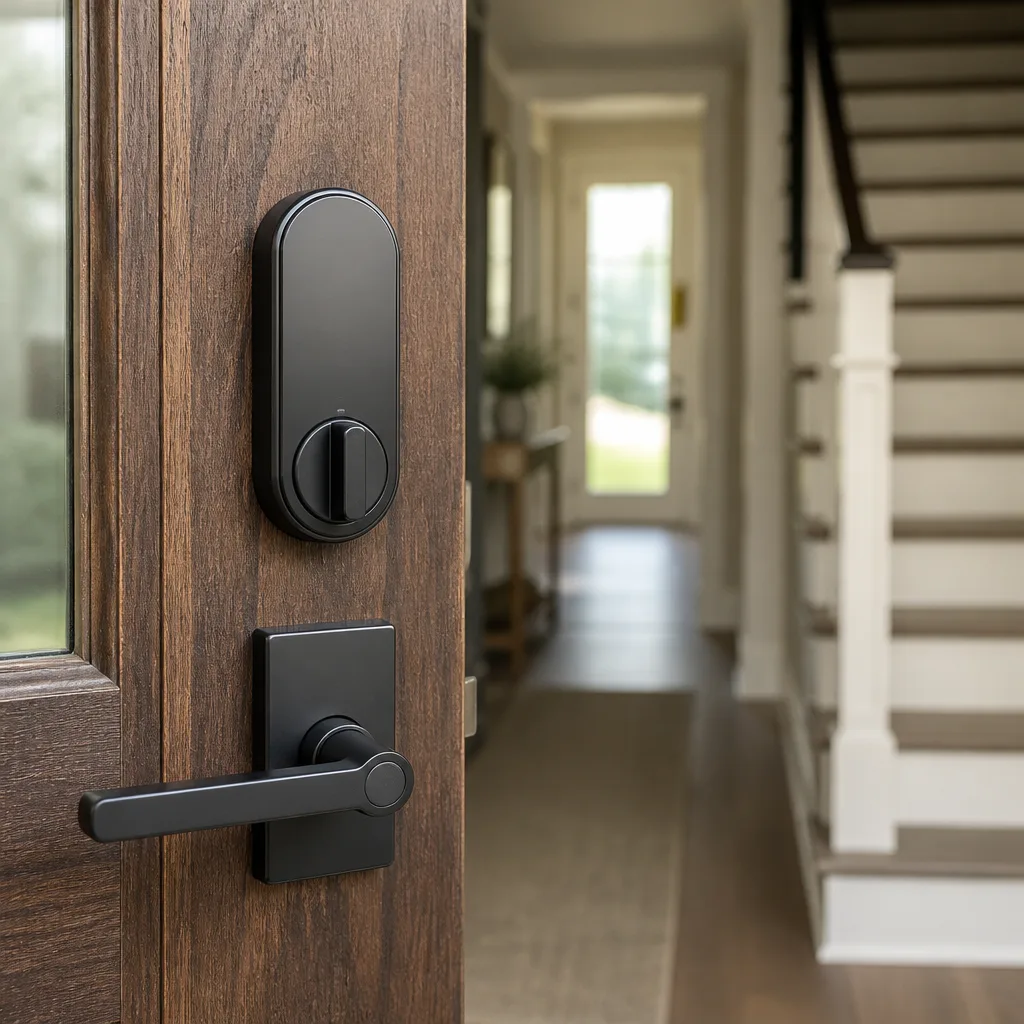 Smart locks
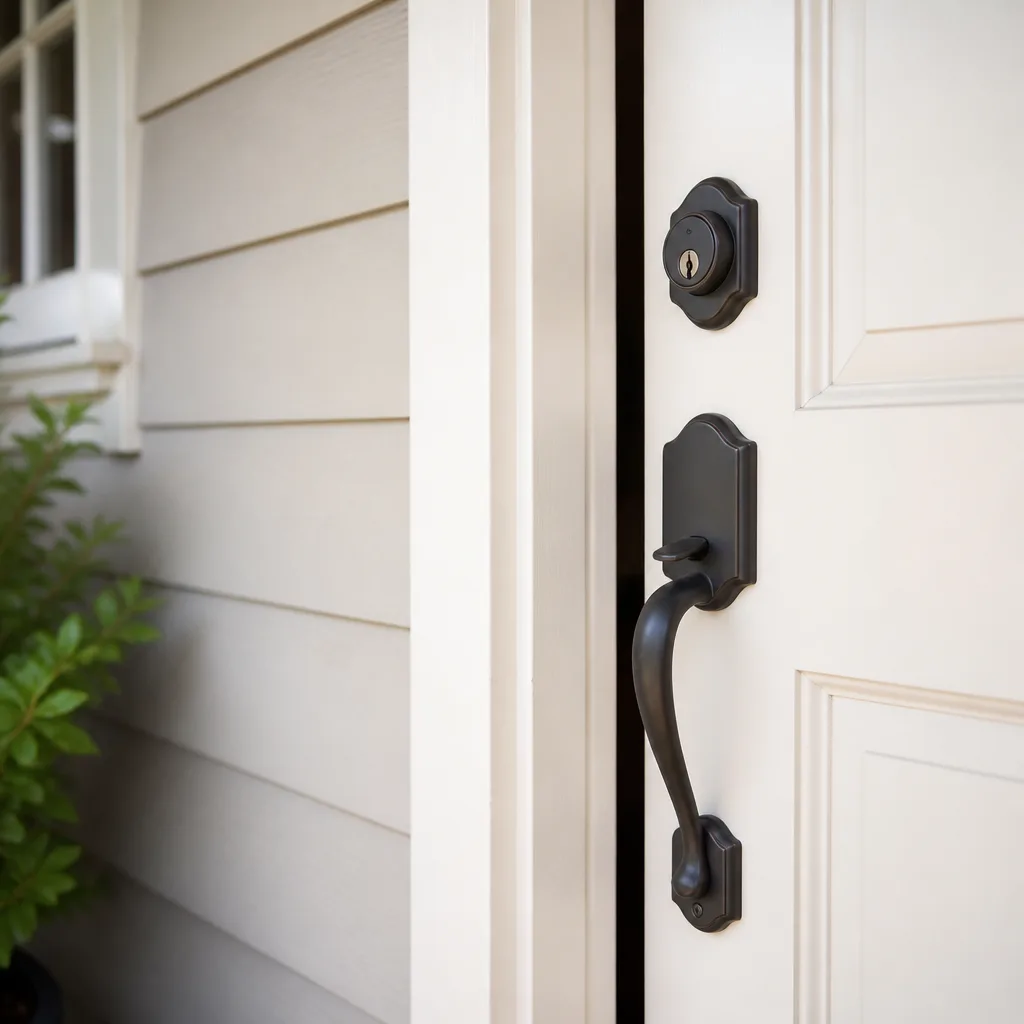 House lockouts
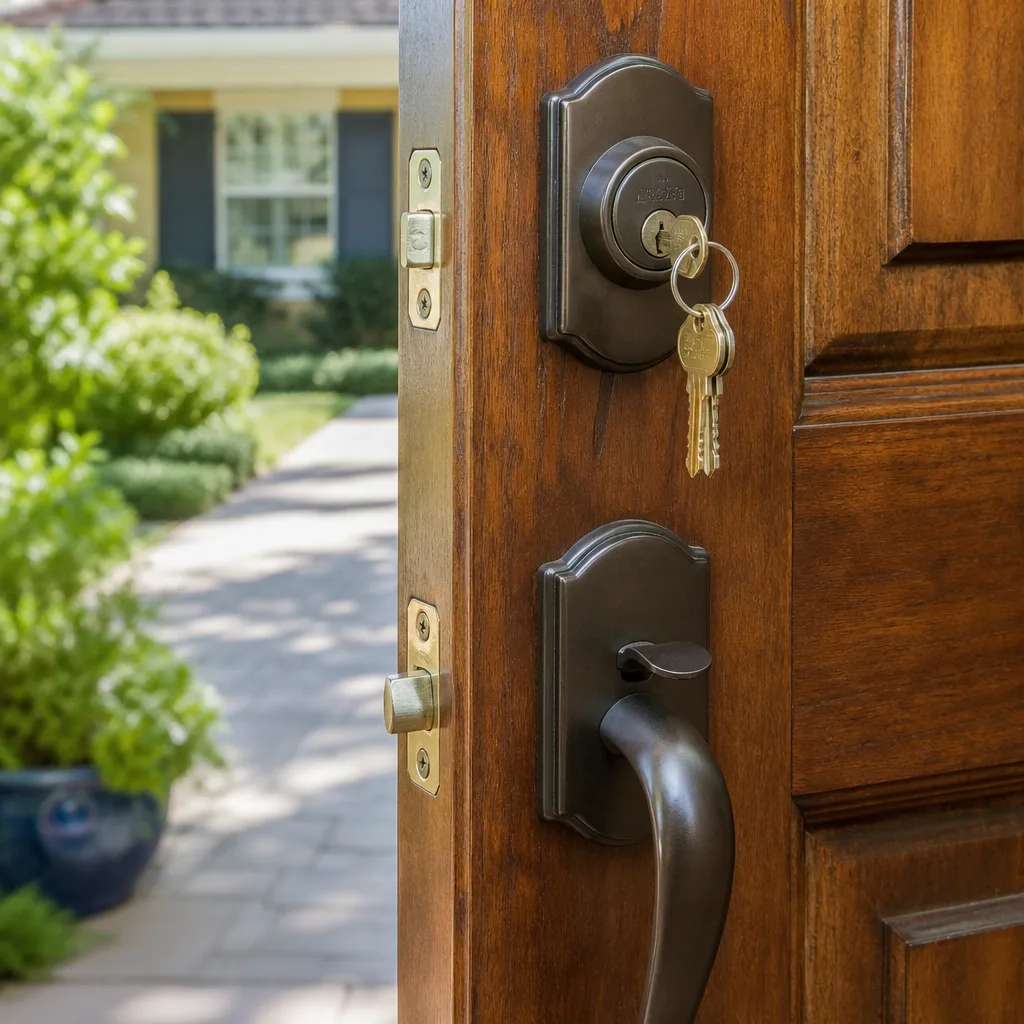 Re-keying
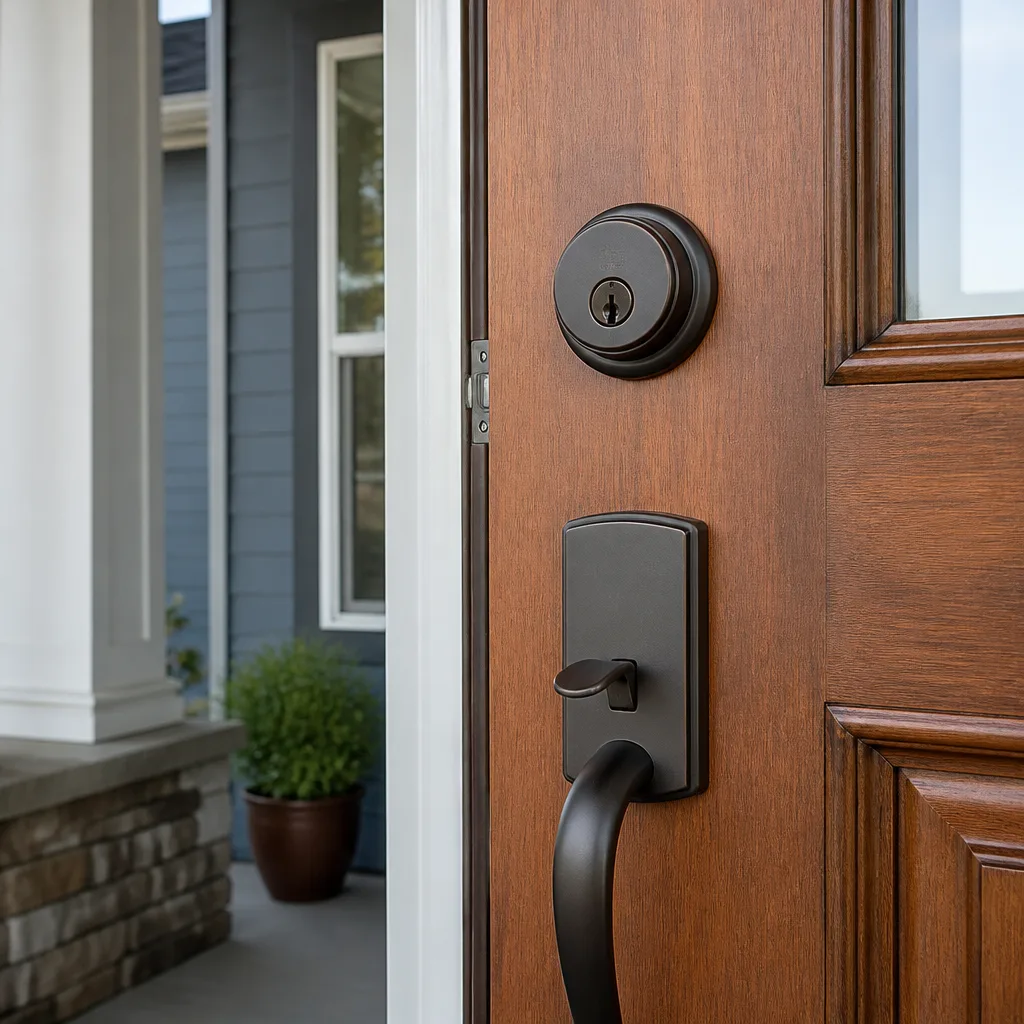 Deadbolt upgrades
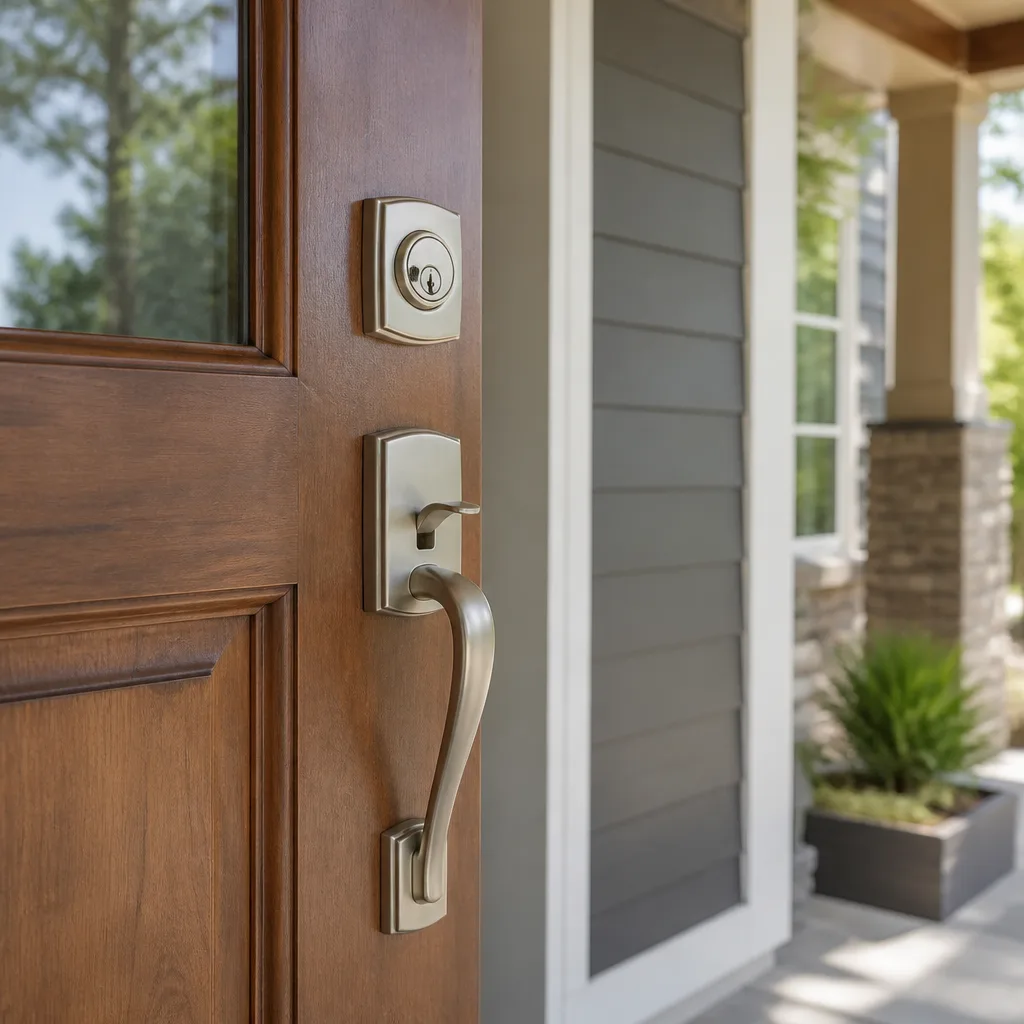 Schlage
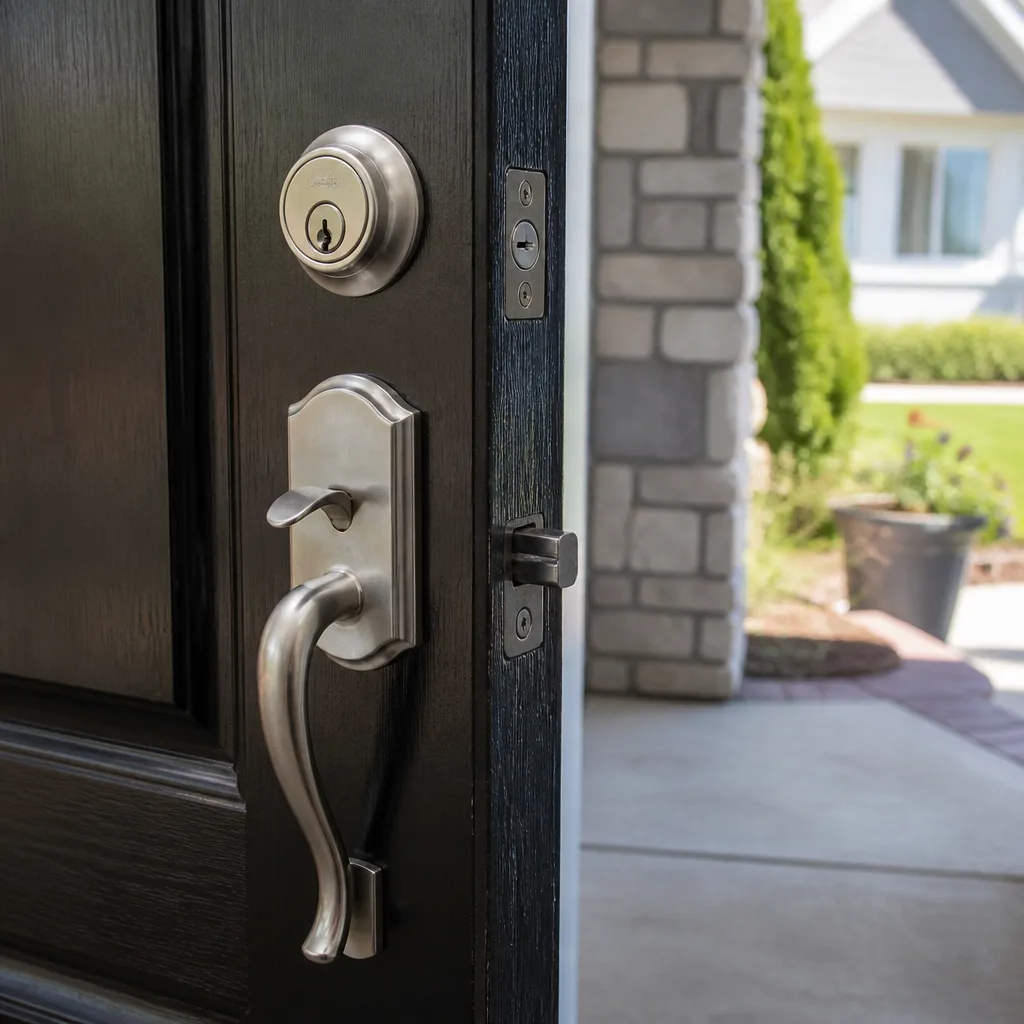 Kwikset
 Car keys & fobs
Non-destructive entry first, always - and we re-key Schlage, Kwikset, and Baldwin locks on the spot while you watch
You get a price before we start. It does not change when we arrive. No surprises.
Get your free estimateChoosing the Right Locksmith Brand: A Buyer’s Guide for Arlington
Walk down the lock aisle at any Arlington home improvement store and you’ll see two names dominate the shelves: Kwikset and Schlage. Both make locks that turn a deadbolt. Both fit standard door preps. And yet the difference between a $29 Kwikset and a $180 Schlage B60N isn’t cosmetic chrome versus matte black. The difference is whether your lock fails a bump attack in seconds or resists it entirely. In Arlington, where neighborhoods range from 1970s ranch-style rentals near UTA to newer builds in Viridian, the brand stamped on your deadbolt determines your security ceiling before a locksmith ever touches the cylinder. This guide breaks down what those brand names actually mean, how lock grades work in the real world rather than on a spec sheet, and how to match hardware to the threat model your specific Arlington property actually presents. For DIY vs Professional Locksmith: The Arlington Homeowner’s Decision Guide, see our companion resource.
Quick Answer
The Complete Guide to Locksmith in Arlington starts with the same question: what are you protecting? For a primary residence in a low-turnover neighborhood, a Schlage B-series deadbolt or better is sufficient. For a rental property in a high-turnover area near UTA, an apartment complex, or a home office with sensitive equipment, step up to Grade 1 commercial hardware or a restricted-key system from Medeco or Mul-T-Lock. The brand matters less than the grade and the key control, and most Arlington homeowners overspend on finish while underspending on the cylinder that resists attack.
Styles & brands we work with
Table of Contents
- What Lock Grades Actually Mean (and What They Don’t)
- Tier One: Everyday Security Hardware (Kwikset, Schlage B-Series, Yale)
- Tier Two: The Middle Ground (Baldwin, Schlage Commercial, Sargent)
- Tier Three: High-Security Systems (Medeco, Mul-T-Lock, Abloy)
- Restricted Keyways: The Feature That Changes Everything
- The Kwikset SmartKey Vulnerability and Why Arlington Renters Should Care
- Matching Lock Grade to Your Arlington Property Type
- How to Avoid Over-Specifying: When a Schlage B-Series Is Genuinely Enough
- Common Mistakes to Avoid
- When to Call a Professional
- Frequently Asked Questions
What Lock Grades Actually Mean (and What They Don’t)
The American National Standards Institute (ANSI) and Builders Hardware Manufacturers Association (BHMA) rate locks on a three-tier system: Grade 1, Grade 2, and Grade 3. Grade 1 is the highest, rated for commercial use and tested to withstand a minimum of 800,000 cycles plus significant forced-entry resistance. Grade 2 is the residential workhorse, tested to 400,000 cycles. Grade 3 is the bottom rung, rated for 200,000 cycles and minimal attack resistance. Here’s what the grade actually tells you and what it doesn’t.
What the grade tells you: how many open-close cycles the mechanism survives before failure, how much torque the deadbolt resists before the housing cracks, and how many strikes the cylinder tolerates before the pin chambers deform. These are real tests with real thresholds. A Grade 3 lock fails faster under physical attack because the internal components are thinner, the housing is lighter die-cast rather than solid brass or steel, and the cylinder pins are shorter and easier to manipulate. In our experience at Stalwart Locksmith home, the failure mode matters: Grade 3 locks rarely fail from wear in Arlington’s climate; they fail from attack or from jamming when the door swells in humid summers and shrinks in dry winters.
What the grade doesn’t tell you: how resistant the lock is to pick attacks, bump attacks, or key duplication fraud. The ANSI/BHMA tests focus on cycles, torque, and blunt-force strikes. They don’t meaningfully test manipulation resistance, which is where the gap between a $29 Grade 3 Kwikset and a $180 Grade 2 Schlage B60N widens. The B60N has a solid brass cylinder with six pins and a hardened steel anti-drill plate. The Kwikset has a five-pin, narrower-keyway cylinder. A bump key attack works on both, but the Schlage resists longer. A drill attack penetrates both, but the Schlage costs an attacker more time and more bits. That time differential is what sends a burglar to the neighbor’s door instead of yours.
One more thing the grade doesn’t tell you: key control. A Grade 2 Schlage and a Grade 2 Kwikset can both pass ANSI cycle testing while having entirely different key duplication security. This matters more in Arlington than most homeowners realize, and we’ll get into why in the SmartKey section below.
Tier One: Everyday Security Hardware (Kwikset, Schlage B-Series, Yale)
This is the hardware you’ll find at every big-box store in Arlington, and it’s not junk. It’s just the floor, not the ceiling. Here’s what lives in this tier and where it belongs.
Kwikset: The most common lock brand in American rental properties and mid-range residential builds. The standard Kwikset deadbolt is Grade 3, uses a five-pin cylinder, and costs between $25 and $60 depending on finish. It installs in minutes, works with standard door preps, and defends against casual entry attempts but not serious attacks. The SmartKey rekey technology is a separate discussion, which we’ll cover in depth below. For an Arlington homeowner on a tight budget living in a low-crime, low-turnover neighborhood, a Kwikset deadbolt is acceptable baseline security, not strong security. The honest framing: it stops honest people and inconveniences dishonest ones.
Schlage B-Series: This is the B60N, the B62, and related models. The B-series is the most defensible choice in the consumer aisle. Six-pin cylinder, solid brass construction, a hardened steel anti-drill plate behind the face, and a Grade 2 rating that punches above its price. The B60N retails around $35 to $50, and it’s the lock we recommend most often for Arlington homeowners who want real security without paying for commercial hardware. The B-series is not pick-proof, not bump-proof, and not high-security. It is, however, meaningfully harder to defeat than a Kwikset of the same price, and the difference is measurable, not cosmetic. If you’re rekeying a new home in Arlington and the existing hardware is Grade 3, swapping to B-series Schlage during the rekey is a cost-smart upgrade. Rekey Locks in Arlington covers this exact scenario in detail.
Yale: Yale holds the oldest name in American locksmithing, and their residential line slots between Schlage B-series and Baldwin in finish quality. Yale cylinders are competent six-pin designs, and their smart lock products are among the best-selling in the connected-home category. The brand matters less here than the model: Yale’s $40 deadbolt is comparable to Schlage’s B60N; Yale’s $200 smart deadbolt adds connectivity but not physical attack resistance. A Yale smart lock on a weak strike plate is still a weak door, and we see this in Arlington frequently: homeowners upgrade the smart features while leaving the strike plate screws at 3/4-inch and the frame un-reinforced. Bad trade.
Tier Two: The Middle Ground (Baldwin, Schlage Commercial, Sargent)
This tier separates homeowners who want a lock that looks right from homeowners who want a lock that protects. The hardware here is heavier, the cylinders are better machined, and the price jump from Tier One reflects more than a brand markup.
Baldwin: Baldwin is where security hardware starts to become furniture. Their Estate series deadbolts are recognized for solid brass and bronze construction, mortise-lock options on custom doors, and a weight that has to be held to be believed. Baldwin’s security performance ranges from Grade 2 on their entry-level models to Grade 1 on their mortise locks. What Baldwin gives you is longevity: a Baldwin deadbolt on an Arlington front door will outlast the door it’s mounted in. On the downside, Baldwin keyways are standard Schlage C-keyway patterns, meaning the key duplication control is the same as any consumer Schlage. A beautifully machined Baldwin lock keyed to a standard keyway is still a standard keyway, and anyone with a key machine can duplicate the key. Baldwin’s value proposition is physical durability and aesthetics, not key control. In our experience, Baldwin suits the Arlington homeowner in a historic district or custom build who wants period-correct hardware without sacrificing deadbolt integrity.
Schlage Commercial: Don’t confuse Schlage’s consumer B-series with their commercial line. The Schlage L-series and AL-series are Grade 1 hardware, designed for high-traffic commercial doors but fully compatible with residential preps. These locks are heavier, the cylinders use six or seven pins, and the construction resists torque attacks that would crack a consumer lock housing. For an Arlington home office, a rental property handling high tenant turnover, or a garage apartment with separate access, Schlage commercial deadbolts are a meaningful step up from consumer hardware at roughly two to three times the price of a B60N.
Sargent: Sargent sits in an odd middle zone: commercial-grade hardware that rarely appears in residential settings. Sargent cylinders use their own keyway geometry, which limits casual duplication at hardware stores. The brand is common in institutional settings, schools, and municipal buildings, and it filters down to residential applications mostly through locksmith-specified installs. If you’re a landlord in North Arlington with a portfolio of single-family rentals, Sargent gives you a restricted-ish keyway at a lower price than Medeco or Mul-T-Lock. The trade-off: fewer locksmiths work on Sargent, and finding one in Arlington who stocks Sargent pins in the van is harder than finding one who stocks Schlage.
Tier Three: High-Security Systems (Medeco, Mul-T-Lock, Abloy)
This is where the conversation changes from “what lock should I buy?” to “what system should I install?” High-security locks aren’t just stronger versions of consumer hardware. They’re engineered around a different threat model: someone with skill, time, and a motivation to defeat the lock. The price point jumps accordingly, and so does the security posture.
Medeco: The most recognized name in American high-security locks. Medeco cylinders use angled cuts on the key that engage with rotating pin tumblers, making them resistant to picking and virtually impossible to bump. The keyway is restricted: Medeco keys can only be duplicated by a locksmith who holds the specific key control card tied to your system, and duplicates require your signature or authorization. Medeco deadbolts are Grade 1, and the cylinders are hardened steel. The price of entry is typically $150 to $300 per cylinder plus the key control registration. For an Arlington homeowner protecting a gun collection, a home office with client data, or a rental property with recurring security problems, Medeco is the point where physical attack resistance and key control become a single system. From our perspective as a locksmith that works on all eight major brands, Medeco’s build quality and pinning complexity remain the benchmark against which other high-security systems are measured.
Mul-T-Lock: The Israeli-made system that introduced telescoping pin technology. Each pin in a Mul-T-Lock cylinder contains an inner pin and an outer pin, and the key must lift both to the correct independent heights before the plug rotates. This makes bumping effectively impossible and picking dramatically slower. The Interactive and MT5 platforms are Mul-T-Lock’s residential and commercial mainstays, and both use restricted keyways with controlled duplication. The advantage Mul-T-Lock holds over Medeco is flexibility: the sidebars and pin systems accommodate master-key hierarchies easily, which matters for Arlington duplex owners, landlord groups, and small commercial properties. The disadvantage is parts availability, and fewer Arlington locksmiths keep Mul-T-Lock pin kits on hand. If you choose Mul-T-Lock, confirm that the locksmith you’re calling actually stocks the brand rather than subbing the work out. At Stalwart, Mul-T-Lock installation is a core service, not a referral.
Abloy: The Finnish powerhouse, and the lock you’ll find on shipping containers, utility cabinets, and high-end commercial doors. Abloy cylinders use a rotating disc mechanism rather than pin tumblers, which makes them functionally immune to picking as we typically understand it. The discs rotate to a specific alignment, and the key turns a sidebar into place. Abloy’s Protec and Protec2 systems feature restricted, practically impossible-to-duplicate keyways, and the cylinders are rated for brutal environmental conditions. For residential Arlington use, Abloy is usually the answer to a specific problem: you need a lock that will be hit with weather, neglect, and deliberate attack, and you don’t want to think about it again. The price is the highest of the three, typically starting around $200 per cylinder and rising with keyway tier and additional features.
Restricted Keyways: The Feature That Changes Everything
The phrase “restricted keyway” gets thrown around loosely in lock marketing, and it’s worth understanding exactly what it means and why it shifts your security posture beyond the physical lock itself.
A standard Schlage or Kwikset keyway is an open keyway: anyone with a key machine and a blank can cut a duplicate. Hardware stores, kiosks, and any locksmith with a code cutter can reproduce your key without asking who you are or whether you’re authorized to hold it. That’s the silent vulnerability in Tier One hardware: it doesn’t matter how strong your deadbolt is if a disgruntled contractor, a former tenant, or a stranger who found your key in a parking lot can walk into a kiosk and cut a copy in ninety seconds.
A restricted keyway changes that. The key blank itself is not sold to the public. The blank geometry is protected by patent or active trade secret, which means the blank is only available to locksmiths who are authorized dealers for that brand. To cut a duplicate, the locksmith must hold a key control card tied to your specific system, and in most systems, they must verify your identity or your signature before cutting. The key you hold is the only key that can be cut, because no one else can buy the blank. Even if someone photographs your key, they can’t reproduce it at a kiosk, because the kiosk doesn’t carry the blank and the blank is restricted.
Mul-T-Lock and Medeco both operate on this model, and it changes the security equation. When we install a Car Key Replacement in Arlington system with high-security locks, the customer isn’t just buying a harder-to-pick cylinder. They’re buying a system where every key in circulation is authorized, numbered, and tracked, and where a lost key can’t be cloned by a Walmart kiosk. For an Arlington landlord managing a triplex off Cooper Street, that’s the difference between knowing who has access and hoping everyone who ever held a spare key was honest.
The Kwikset SmartKey Vulnerability and Why Arlington Renters Should Care
Kwikset’s SmartKey system deserves its own section because it’s the most common lock in American residential rentals, and it has a documented vulnerability that most customers never hear about until it’s exploited.
SmartKey was designed as a convenience feature: the homeowner can rekey the lock themselves in seconds using a special tool that comes with the lock. Insert the tool, turn the key, and the lock re-pins itself to a new key. For landlords and property managers, this eliminates the cost of hiring a locksmith between tenants. For everyone else, it introduces a problem: the SmartKey cylinder can be forcibly rekeyed or defeated using methods that are publicly documented and available to anyone who knows where to look.
The vulnerability works like this: the SmartKey mechanism permits a lateral force attack using a screwdriver or a purpose-built tool inserted into the keyway. The attacker applies rotational force while manipulating the sidebar, and in many instances the cylinder can be forced to turn without the correct key. The lock doesn’t need to be picked in the traditional sense; the mechanism can be bypassed. The attack isn’t subtle, and it may leave visible damage, but it’s fast, it’s documented in locksmith trade circles, and it works on the most common consumer deadbolt in Arlington apartment complexes and rental homes.
Why this matters specifically for Arlington renters and landlords: tenant turnover is constant in this city. UTA enrollment churns, military families rotate through, and apartment communities near Arlington’s entertainment district see a churn rate that surprises people who haven’t looked at the numbers. Every tenant who moves out of a SmartKey-equipped unit leaves behind a key, and every key that circulates after move-out is an unaccounted security variable. The landlord rekeys the SmartKey in seconds and thinks the old key is dead. But the bypass vulnerability remains, and it doesn’t require the old key at all.
The fix is straightforward: replace SmartKey cylinders with conventional pin-and-tumbler hardware in a stronger grade, or step up to a restricted-key system if the property justifies it. For renters in Arlington, the practical advice is different: don’t rely on a SmartKey deadbolt as your only line of defense on a ground-floor unit. A deadbolt, a reinforced strike plate with 3-inch screws, and a door that fits its frame properly will do more to deter entry than any brand name on the cylinder face.
Matching Lock Grade to Your Arlington Property Type
Here’s how we recommend thinking about hardware selection in Arlington, based on the property you actually live in or manage.
- Primary residence, low-turnover neighborhood: A Schlage B60N or better (Baldwin if you want finish options) is the floor. You’re protecting a stable home in a stable environment. The realistic threat is opportunistic: an unlocked window, a garage door left open, a package on the porch. The lock should resist casual forced entry and standard bump attempts. Grade 2 with a reinforced strike plate meets this need.
- Rental property, single or multi-family, high turnover: The threat model shifts. Every tenant who has ever lived there has held a key. The realistic threat includes someone who knows the property, knows the routines, and may have a working key or a clone. This is where restricted keyways earn their price. Mul-T-Lock or Schlage commercial cylinders restore key control even if you can’t account for every old key that ever existed.
- Home office or business with sensitive equipment: Here you’re protecting assets and maybe client information, which means the lock is part of a compliance and liability conversation. Medeco or Mul-T-Lock are justified. The restricted keyway prevents unauthorized duplication, the Grade 1 rating resists forced entry, and the documentation trail from a controlled key system gives you an audit path after an incident.
- Retail storefront or restaurant: The lock is the third line of defense, behind the burglar alarm and the visible camera. Grade 1 hardware with a restricted keyway is the standard, but don’t overspend beyond that. The real risk in Arlington retail is smash-and-grab through glass or a rear door, not lock manipulation. Spend on the door itself, the frame, and the strike plate first.
- Apartment renter: If you rent and can’t change the hardware, focus on what you can control: a portable door brace, a door sensor, a camera. If your landlord will allow it, a rekey through Emergency Locksmith in Arlington services at move-in is the single highest-value security action you can take, because it eliminates the unaccounted keys from previous tenants.
How to Avoid Over-Specifying: When a Schlage B-Series Is Genuinely Enough
Not every Arlington door needs an Abloy. In fact, most don’t. Spending $400 per cylinder to secure a door that backs onto a fenced yard with a locked gate and a motion light is paying for a peace-of-mind fantasy rather than a measured security improvement. Here’s how to think about where the hardware premium stops being worth it.
The first question is: what’s the realistic attack vector? A burglar targeting a home isn’t generally picking locks. The statistics bear this out: most residential burglaries involve an unlocked door or window, a forced window, or a door that’s kicked or pried. Lock picking is a slow, conspicuous, skill-dependent attack that only makes sense when the attacker specifically targets the property and knows what’s inside. If your home isn’t a specific target, bump resistance and pick resistance matter less than pure physical robustness. A Schlage B60N with a reinforced strike plate and a door that fits properly resists a kick-in attempt as well as many Grade 1 locks mounted on a weak frame.
The second question is: what’s actually on the door now? If the existing hardware is Kwikset SmartKey, a swap to Schlage B-series is a meaningful upgrade that closes a real bypass vulnerability. If the existing hardware is already Schlage B-series, moving to Schlage commercial gains you marginal physical security at double the price. The value of the upgrade depends on the gap you’re closing, not the prestige of the new hardware.
The third question is: what’s the key you’re protecting? If two people have keys and both are family members who live in the house, key control is a manageable problem without restricted hardware. If the property had six tenants over five years and you can’t account for all keys, restricted hardware starts making sense even if the neighborhood is quiet. The key control equation can justify high-security hardware in a low-crime Arlington suburb faster than the physical attack resistance can.
Here’s a real-world calibration we use with customers: in a low-turnover Arlington neighborhood with no prior incidents, spending $60 on a B-series Schlage and $10 on a stronger strike plate buys 90% of the security improvement that a $300 Medeco would provide, because the threat isn’t sophisticated manipulation, it’s opportunistic forced entry. The Medeco earns its price when the threat model includes unaccounted keys, deliberate targeting, or compliance requirements, not when it’s mounted on a quiet suburban door with a functioning alarm system.
Common Mistakes to Avoid
- Buying the finish before the cylinder: Homeowners spend $280 on an oil-rubbed bronze Baldwin front door lock and leave the back door protected by a $25 Kwikset. A burglar doesn’t care which door matches the hardware aesthetic. Secure the weakest door first, not the most visible one.
- Ignoring the strike plate: The deadbolt throw means nothing if the strike plate is held to the frame by 3/4-inch screws that pull out with one solid kick. A $5 upgrade to a reinforced strike plate with 3-inch screws that bite into the framing adds more forced-entry resistance than doubling your lock budget.
- Assuming every key copy needs a locksmith: With open keyways, any hardware kiosk can copy your key. The copy may be sloppy, but it’ll turn the cylinder. If you’ve handed a key to a contractor, a dog walker, or a former housemate, assume the key exists in the wild and act accordingly: rekey or move to a restricted system.
- Rekeying an existing SmartKey cylinder instead of replacing it: Rekeying the SmartKey doesn’t fix the bypass vulnerability. It just resets which key works. If the cylinder was vulnerable before the rekey, it’s vulnerable after.
- Spending the full budget on locks and nothing on lighting or door fit: The best deadbolt in the world on a door that doesn’t fit its frame is a compromised system. Arlington’s clay soil moves with moisture cycles, and doors that fit in October sometimes bind in August or gap in February. The door has to fit for the lock to engage fully, and no brand of lock compensates for a crooked frame.
- Treating all Grade 1 locks as equivalent: A Grade 1 rating covers cycle count and torque resistance. Key control is a separate axis. A Grade 1 Schlage commercial deadbolt on an open keyway and a Grade 2 Medeco on a restricted keyway are not the same product. Decide which axis matters for your situation before you buy.
When to Call a Professional
Hardware selection is not a DIY decision in every scenario, and recognizing the line is part of being a smart buyer. Call a locksmith when the property involves multiple tenants and unknown key history, because that’s a key control problem, not a hardware problem, and it requires a system, not a single cylinder. Call a locksmith when the door doesn’t fit the frame and the deadbolt doesn’t fully extend, because that’s a door and frame issue that will defeat any lock you buy. Call a locksmith when you’re ready to step into restricted-key territory, because Medeco, Mul-T-Lock, and Abloy systems require authorized dealers, key control registration, and pinning work that the DIY aisle can’t provide. Call a locksmith when the lock you’re replacing is a Kwikset SmartKey on an exterior-facing door, because the swap involves more than turning screws. Stalwart Locksmith offers free estimates in Arlington. Call (877) 626-0257 and get a straight answer before you buy hardware.
Frequently Asked Questions
For most Arlington homeowners, the Schlage B-series (B60N or B62) is the best value: a Grade 2 deadbolt with a six-pin cylinder, solid brass construction, and a hardened anti-drill plate, typically priced between $35 and $60. For rental properties, home offices, or doors with unaccounted key history, step up to a restricted-key system from Medeco or Mul-T-Lock. Call (877) 626-0257 for a recommendation based on your specific property.
Kwikset’s standard deadbolts are Grade 3 products that meet minimum residential standards but don’t provide meaningful resistance to forced entry or manipulation. The SmartKey line adds a well-documented bypass vulnerability that remains unaddressed across most of the product line. Kwikset is adequate for interior doors or low-risk auxiliary entries; it’s not the brand to choose for a primary exterior door in a rental or high-turnover property. Replacing a Kwikset exterior deadbolt is one of the most common jobs we handle in Arlington rental units. For a full walkthrough, see The Complete Car Key Replacement Guide for Arlington Homeowners.
Yes, if the property has unaccounted keys, a home office with sensitive material, prior burglary attempts, or a landlord-tenant situation where key control matters. The restricted keyway is the feature that justifies the cost: it prevents unauthorized duplication, which no standard Schlage or Kwikset can match. If none of those conditions apply and the neighborhood is quiet, a Schlage B-series with a reinforced strike plate is sufficient. We’ll give you the same honest answer on the phone: the right lock depends on your threat model, not the highest number on the shelf.
Yes, the SmartKey can be rekeyed in minutes, but we’ll usually recommend replacing the cylinder instead. The SmartKey bypass vulnerability persists through rekeying, so resetting the key doesn’t close the security gap. If you’re in a rental situation and need new keys after a move-in, Rekey Locks in Arlington covers the decision between rekeying and replacing in more detail. Call (877) 626-0257 for a same-day assessment.
A Medeco, Mul-T-Lock, or Abloy cylinder typically runs $150 to $300 per cylinder installed, plus any key control registration fees that the brand requires. Additional copies of restricted keys are more expensive than standard duplicates, typically $15 to $40 per key depending on the system. Schlage commercial cylinders land lower, usually $80 to $150 per cylinder. The price you’re quoted on the phone is the price on the invoice; there’s no dispatch surcharge added on arrival. Call (877) 626-0257 for a firm number before anyone is dispatched.
The most common hardware in Arlington rental properties is Kwikset with SmartKey, primarily because it allows landlords to rekey between tenants without a locksmith visit. The second most common is Schlage B-series. Neither provides meaningful key control. Landlords managing multiple units increasingly use Schlage commercial or restricted systems like Mul-T-Lock with master-key capabilities, which lets the landlord hold one master key while tenants hold individual change keys. The upgrade costs more upfront but eliminates the rekeying bill and the lost-key liability on every tenant turnover.
The Bottom Line
The brand stamped on your deadbolt is a starting point, not a destination. What matters is the grade, the cylinder design, and above all, the key control. In Arlington’s mix of stable neighborhoods, high-turnover rentals, and independent businesses, the right lock for one door isn’t the right lock for the next. Match the hardware to the threat model: Schlage B-series for standard homes, Schlage commercial for offices and multi-unit properties, and restricted systems from Medeco, Mul-T-Lock, or Abloy when unaccounted keys or targeted attacks enter the picture. Reinforce the strike plate before you overspend on the cylinder. And replace SmartKey cylinders rather than rekeying them. If you’re still unsure what your doors actually need, call (877) 626-0257 for a free estimate and a straight answer, no high-pressure upsell.
Written by the team at Stalwart Locksmith, serving Arlington since 2018. Explore more guides & resources on securing your property.