Last updated October 30, 2026
 Smart locks
 House lockouts
 Re-keying
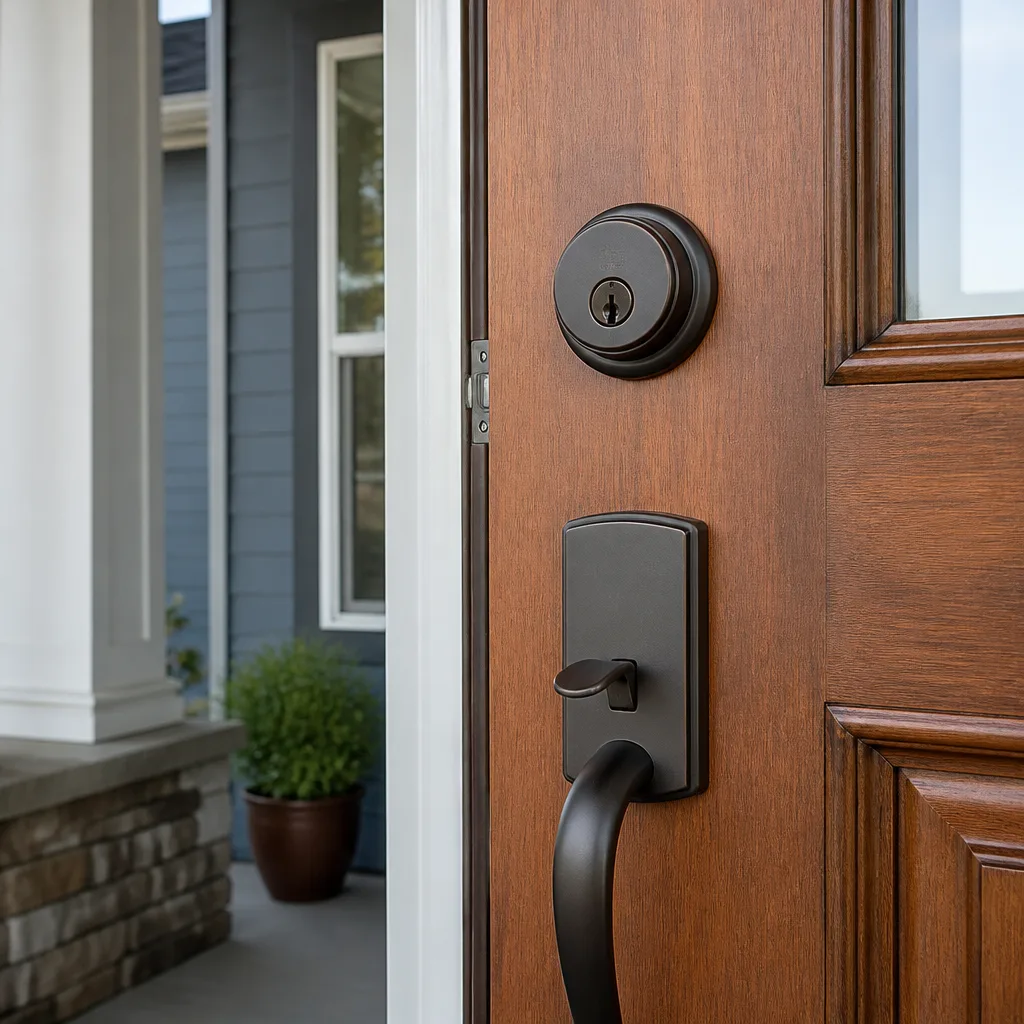 Deadbolt upgrades
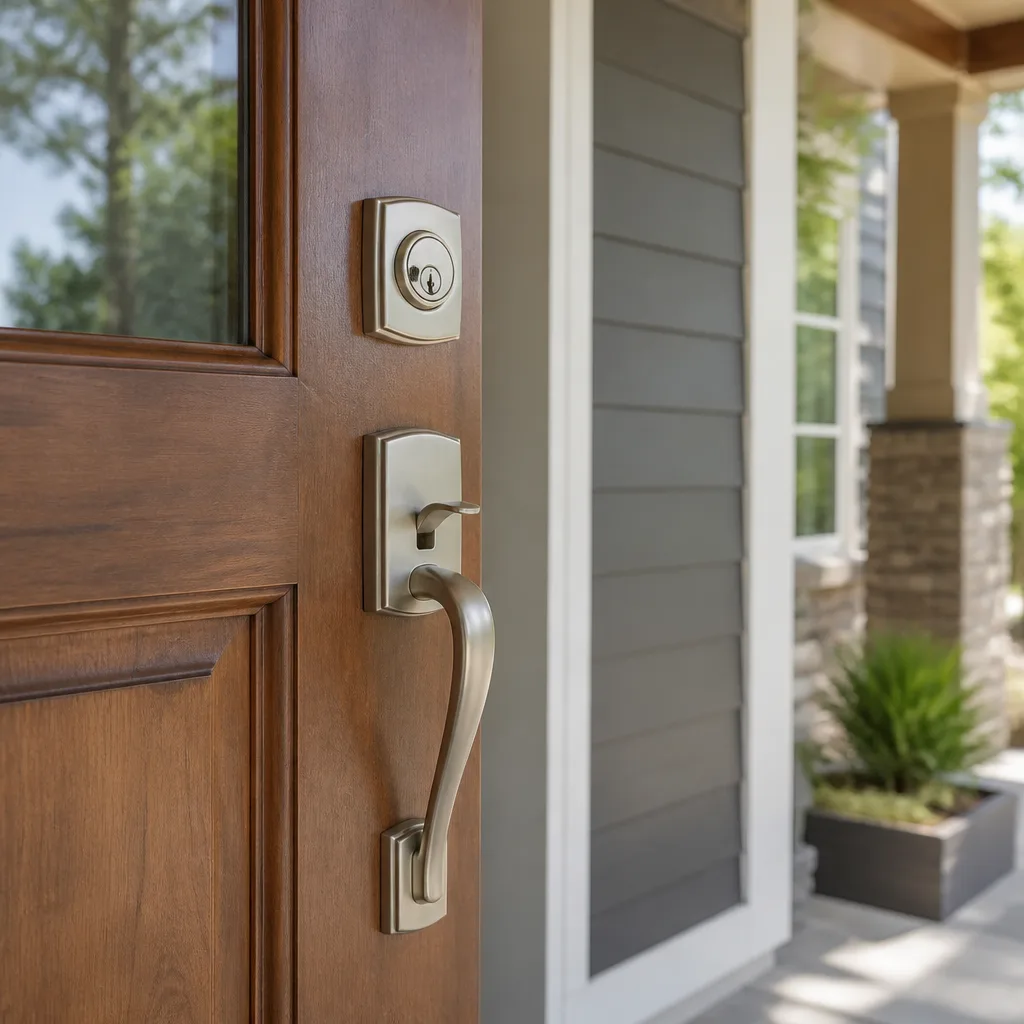 Schlage
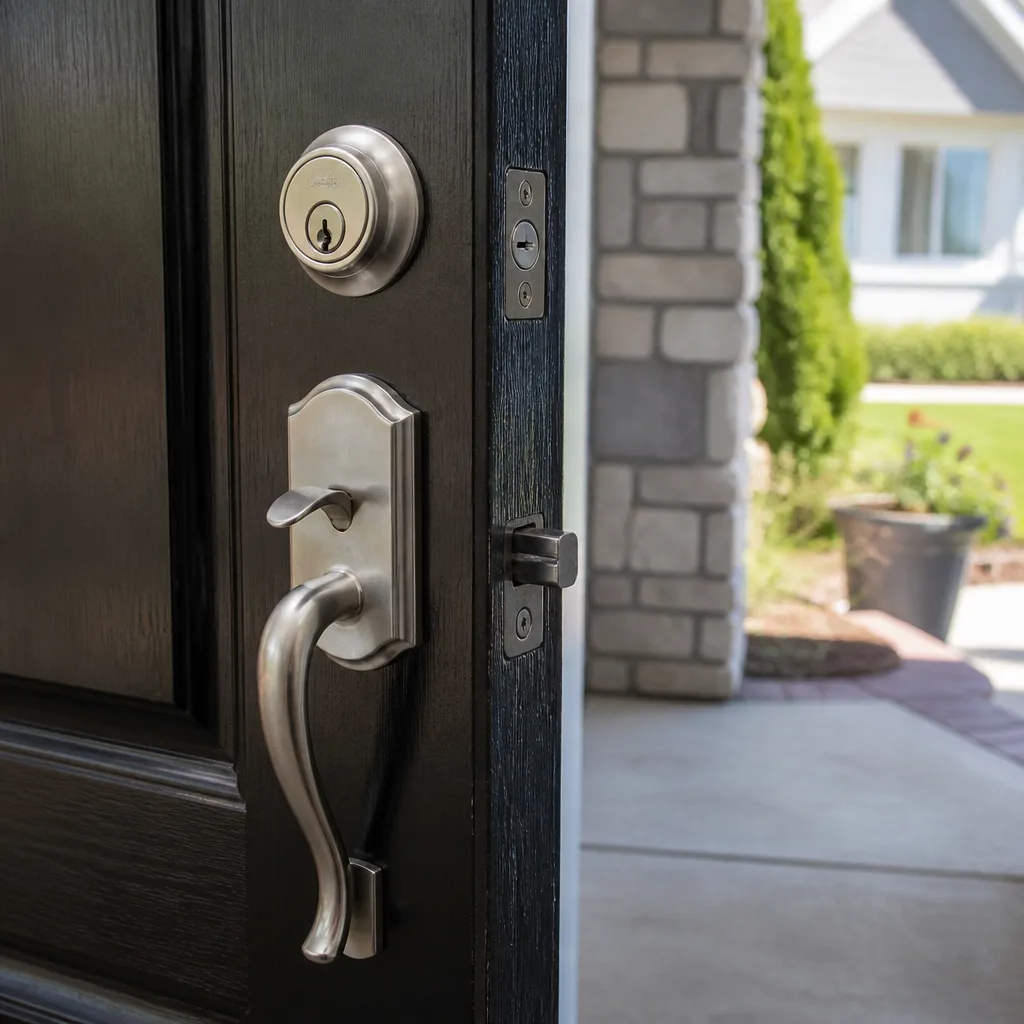 Kwikset
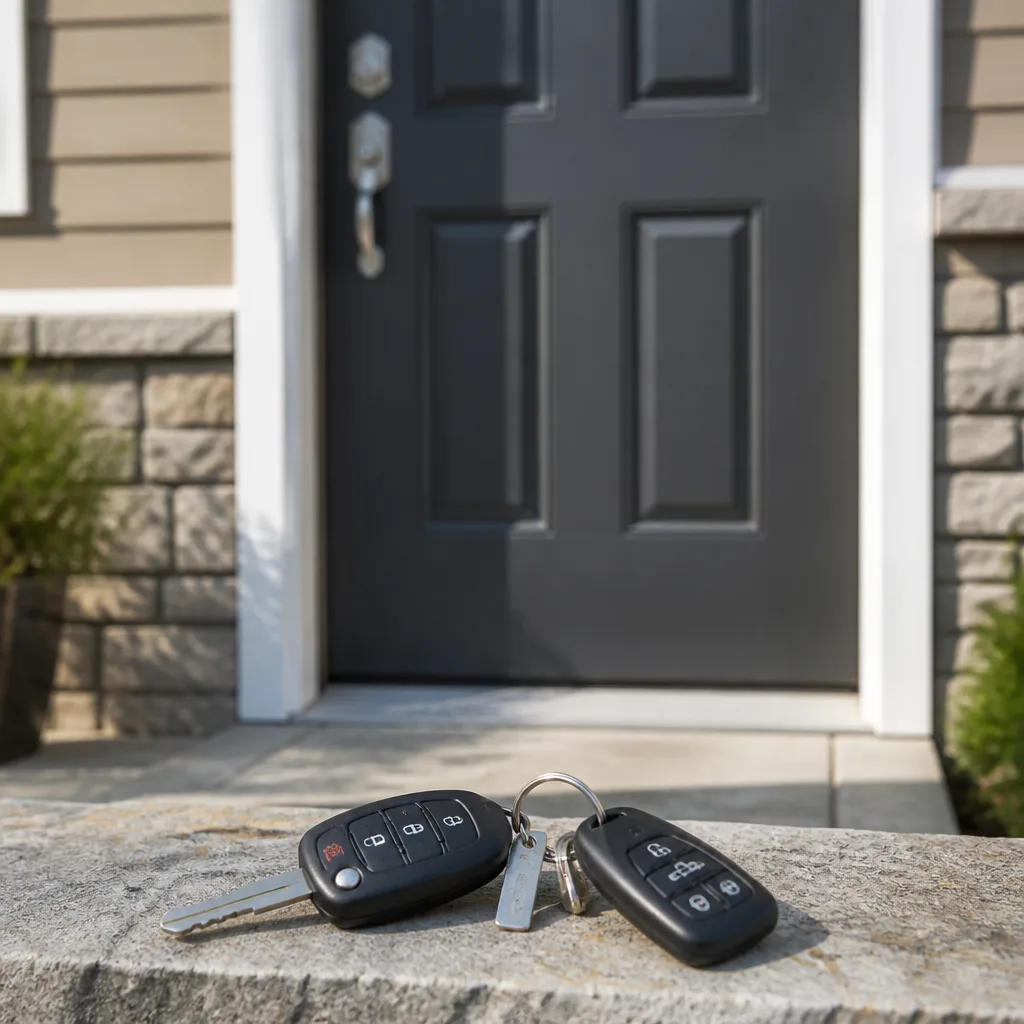 Car keys & fobs
Non-destructive entry first, always - and we re-key Schlage, Kwikset, and Baldwin locks on the spot while you watch
You get a price before we start. It does not change when we arrive. No surprises.
Get your free estimateDIY vs Professional Locksmith: The Arlington Homeowner’s Decision Guide
Changing a Kwikset deadbolt is a legitimate weekend project. Rekeying a Schlage B-series with a DIY kit looks identical on the box but produces a cylinder with lower pin tolerance, something a locksmith catches in 30 seconds that a homeowner won’t notice until the lock fails. This guide walks Arlington homeowners through the honest engineering behind that distinction: which lock tasks genuinely belong in the DIY category, which ones cross a technical line that YouTube tutorials consistently understate, and what crossing that line wrong actually costs in a Texas insurance market that reads policy language more carefully than most homeowners ever do. You’ll learn the decision matrix, the warranty implications, and the hidden correction costs nobody posts about.
Styles & brands we work with
Quick Answer
Basic lock maintenance and hardware swaps are safe DIY projects for most Arlington homeowners, but rekeying, high-security hardware installation, and anything involving automotive transponder keys require professional calibration. The deciding factor isn’t mechanical difficulty, it’s whether a mistake voids your lock warranty, creates an insurance coverage gap, or weakens the lock in a way you won’t detect until it fails. When in doubt, the cost of a professional assessment in Arlington is almost always less than the cost of correcting a DIY error on the same lock.
Table of Contents
- The DIY Safe Zone: What Arlington Homeowners Can Confidently Handle
- Why DIY Rekeying Kits Produce Weaker Results Than Professional Rekeying
- Warranty Voids and Texas Insurance Language: The Fine Print Nobody Reads
- The Hidden Cost of a DIY Mistake: Correction Pricing vs. Doing It Right
- Smart Locks and Electronic Access: Where the DIY/Pro Line Actually Sits
- The Decision Matrix: Seven Scenarios, One Clear Call
- Common Mistakes to Avoid
- When to Call a Professional
- Frequently Asked Questions
- The Bottom Line
The DIY Safe Zone: What Arlington Homeowners Can Confidently Handle
Let’s start with what you should absolutely do yourself, because paying someone to swap a deadbolt battery is like paying someone to change a lightbulb. The Arlington homeowner’s DIY safe zone covers four tasks that require no specialized tools, no calibration, and no risk of lock damage when done correctly.
Deadbolt and knob replacement on standard pre-drilled doors. If you’re swapping one Kwikset or Schlage deadbolt for another of the same footprint, the mounting holes are already aligned, the strike plate is already in place, and the tailpiece configuration is identical. This is a screwdriver job. Arlington’s older housing stock, especially in neighborhoods like Forest Hill and the subdivisions off Cooper Street built in the 1970s and 1980s, often has standard 2-1/8-inch bore holes that accommodate virtually every consumer-grade deadbolt on the shelf at any Arlington hardware store.
- Remove the two screws from the interior thumbturn plate.
- Pull both halves of the old deadbolt out from the door edge.
- Slide the new bolt assembly into the edge bore, curved face outward.
- Align the exterior cylinder with the tailpiece, then seat the interior thumbturn.
- Tighten the interior plate screws until snug, not forced.
Battery replacements on electronic locks. Every smart lock on the market, from the Yale Assure line to Kwikset’s Halo, uses standard AA or AAA batteries. If the keypad is sluggish, the lock is beeping, or the app reports low battery, you don’t need a locksmith. You need four AAs and five minutes. Arlington’s summer heat degrades alkaline batteries faster than the national average, so expect to swap batteries every six to eight months rather than the twelve months manufacturers quote for moderate climates.
Door chain and surface bolt installation. These are basic hinge-mortise and screw-hole projects. If you can hold a drill level and use a pencil to mark hole positions, you can install a door chain. The only Arlington-specific consideration is door construction: many Arlington homes built before 1990 have solid wood exterior doors, which take screws cleanly, while newer entry-level spec homes in developments south of I-20 sometimes have engineered-core doors with a thinner skin that can strip if you over-torque.
Weatherstripping and strike plate tightening. Seasonal door alignment shifts are common in Arlington due to the expansive clay soil that moves with every wet-dry cycle. Tightening a loose strike plate or replacing worn weatherstripping is maintenance, not locksmithing, and doing it yourself keeps your deadbolt engaging properly.
The common thread across all four safe-zone tasks: you’re working with visible, accessible hardware where a mistake is immediately obvious and easily reversed. There’s no calibration involved, no hidden internal tolerance, and no security consequence if you get it slightly wrong.
Why DIY Rekeying Kits Produce Weaker Results Than Professional Rekeying
This is where the DIY conversation gets genuinely technical, and it’s the section most lock guides skip entirely. A DIY rekeying kit from a big-box store contains a handful of spare pins, a follower tool, and instructions that make rekeying sound like a 20-minute job. The reality is more nuanced, and the difference comes down to pin tolerance, which is the precision fit between the pins inside the cylinder and the key that operates them.
Professional rekeying uses pins measured in increments of 0.005 inch, matched to the specific key cuts for your new key. A locksmith working on a Schlage cylinder uses Schlage’s factory pin specifications, selected to maintain the original design tolerance. Schlage cylinders are engineered with a standard pin-diameter tolerance of 0.003 inch. Pins outside that tolerance create either a sloppy lock that a bump key opens in seconds or a sticky lock that eventually stops accepting the key entirely.
DIY kits ship with a generic assortment of pins that approximate the OEM specification but don’t match it precisely. When a homeowner rekeys a Schlage B-series cylinder with kit pins, the resulting cylinder has what the industry calls lower pin tolerance, meaning the pins don’t seat as precisely in the key cuts. The lock opens fine for the first few months. Then the pins start wearing unevenly because they’re not seating squarely. The key gets progressively stiffer. Eventually the cylinder fails in the halfway-rotated position, which is the worst possible failure mode because it traps the key and locks the door in an unopenable state from the outside.
In our experience with Arlington homes, we’ve seen rekeyed cylinders from DIY kits fail in two to three years, compared to eight to ten years for professionally rekeyed Schlage or Kwikset cylinders under normal use. The homeowner who saved $40 on a rekey kit ends up paying for a full cylinder replacement because the worn pins have scored the internal cylinder walls beyond what new pins can fix.
There’s also the key itself. Professional rekeying cuts a new key to the specific depth and spacing specifications of the lock’s manufacturer. DIY kits expect you to reuse existing keys or have keys cut at a hardware store, where the cutting machine may not be calibrated to the same tolerance. A key cut 0.005 inch too deep will still open the lock, but it accelerates pin wear because every insertion scrapes the pin tips against the key cuts at an angle they weren’t designed for.
This is not to say DIY rekeying is impossible. It’s to say the people who succeed at it usually know enough to buy OEM pin kits, which cost almost as much as the professional rekey service itself, at which point you’re doing professional-level work without professional-level calibration tools.
Warranty Voids and Texas Insurance Language: The Fine Print Nobody Reads
Here’s the part of the DIY decision that has nothing to do with mechanical skill and everything to do with paperwork. Most Arlington homeowners don’t read the warranty language on their lock hardware, and they read their homeowners insurance policy even less. Both documents contain provisions that directly affect the DIY vs. professional decision.
Schlage’s residential warranty explicitly excludes damage resulting from “improper installation, alteration, or modification.” Baldwin’s lifetime finish warranty similarly voids coverage if the lock shows evidence of non-standard installation or unauthorized pin modification. When a DIY rekey goes wrong and the cylinder fails, the manufacturer has no obligation to replace it, because the rekey itself, using non-OEM pins, constitutes an alteration under warranty language. A professional rekey through a certified locksmith doesn’t trigger the same clause, because the work is performed to factory specification using OEM or equivalent pins.
The insurance angle is more consequential. Texas homeowners policies, including the standard HO-A and HO-B forms most Arlington residents carry, contain a provision known as the “reasonable care” clause. Policy language typically requires the insured to “take reasonable steps to protect the property from further damage.” This is interpreted narrowly. If a burglary occurs because a lock was improperly installed, and the insurer can show the installation deviated from manufacturer specifications, the claim can be reduced or denied in a subrogation dispute.
This isn’t theoretical. Texas courts have reviewed cases where insurers denied theft claims after inspection revealed lock cylinders rekeyed with non-spec pins that made the locks functionally defeatable with a bump key. The insurer’s argument is simple: the homeowner modified the security hardware, the modification weakened the lock, and the weakening contributed to the loss. The homeowner’s argument, that they didn’t know any better, doesn’t overcome the policy language.
None of this means you shouldn’t DIY anything. It means the DIY line sits at tasks that don’t alter the internal security mechanism. Swapping a deadbolt, installing a door chain, replacing a battery: none of these affect the internal pin configuration, so none trigger warranty or insurance concerns. Rekeying, modifying cylinders, or attempting high-security lock installation without proper training: these are the boundaries where the paperwork starts to bite.
The Hidden Cost of a DIY Mistake: Correction Pricing vs. Doing It Right
Let’s talk numbers, because the arithmetic of DIY lock work is usually presented as “kit costs $25, locksmith costs $150, you save $125.” That math assumes the DIY attempt works. When it doesn’t, the correction cost isn’t the difference between the kit and the service, it’s the difference between the original service and a more expensive remediation.
Here’s the correction pricing ladder we see in Arlington, based on actual service calls where a DIY attempt went wrong:
- Stripped cylinder set screw: $85 to $120. This happens when a homeowner over-torques the set screw on a knob or lever, stripping the threads. The correction involves drilling out the screw and tapping new threads.
- Pins dropped and lost during amateur rekey: $110 to $160. Without the original pins, the cylinder can’t be restored. The locksmith replaces the entire pin set and cuts a new key.
- Misaligned deadbolt causing strike plate binding: $95 to $145. The correction requires re-drilling the strike plate mortise and re-hanging the door if the misalignment is severe.
- DIY-installed high-security cylinder (Mult-T-Lock or Medeco) with improper tailpiece alignment: $180 to $280. High-security locks have stricter installation tolerances. A misaligned tailpiece can seize the cylinder, and the correction sometimes requires replacing the sidebar mechanism.
- Smart lock installed with the deadbolt extending into an improperly aligned strike: $130 to $220. The correction involves re-mortising the strike and reprogramming the motor calibration.
Compare those numbers to the cost of doing it right the first time. A professional deadbolt installation in Arlington runs $75 to $120 per lock, including hardware mounting and strike alignment. A standard rekey runs $10 to $20 per cylinder. When the DIY attempt fails, the homeowner pays the original service price plus the correction premium, which is typically two to three times what the service alone would have cost.
In our experience, the most expensive DIY corrections involve high-security hardware. Mul-T-Lock and Medeco cylinders don’t respond well to amateur installation because their internal mechanisms, including sidebars and telescoping pins, require precise tailpiece orientation and exact screw torque. Installing one incorrectly doesn’t just fail: it can permanently damage the internal alignment, requiring a full cylinder replacement rather than a simple adjustment.
The same logic applies to automotive work. A homeowner who attempts a DIY car key programming with an aftermarket programmer and bricks the vehicle’s immobilizer faces a dealership reset that runs $300 to $800, plus towing. The Car Key Replacement in Arlington team sees this pattern regularly, and the correction always costs more than the original professional service would have.
Smart Locks and Electronic Access: Where the DIY/Pro Line Actually Sits
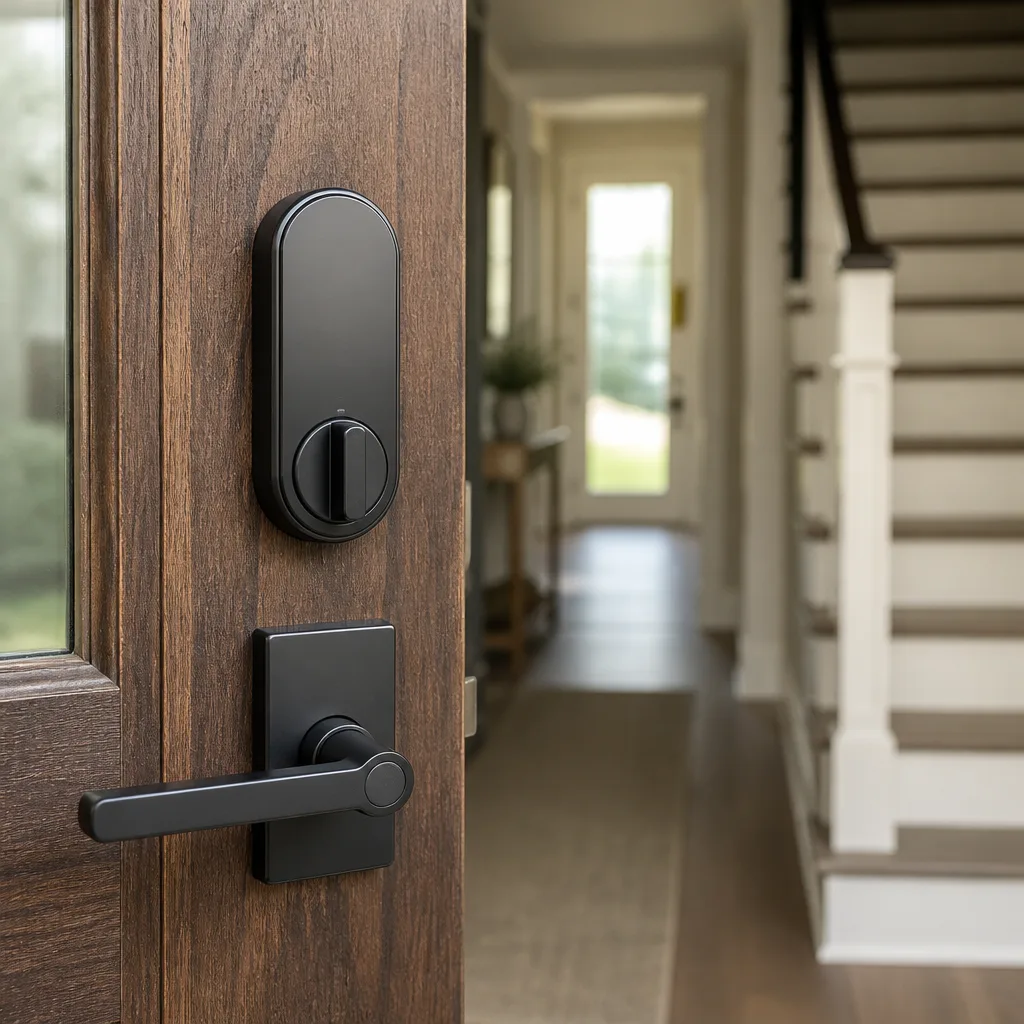
Smart locks are the fastest-growing segment of the Arlington residential security market, and they blur the DIY/professional line more than any other product category. The advertising for smart locks says “install in minutes with a screwdriver,” and for the physical mounting, that’s mostly true. The catch is that physical mounting is only one-third of the installation.
Here’s the honest breakdown of what a smart lock installation actually involves:
- Physical installation: Mounting the deadbolt assembly, aligning the strike plate, and seating the motor housing. This is genuinely DIY-accessible on standard doors, assuming the existing bore holes are clean and aligned.
- Programming: Setting up user codes, enrolling the lock in the manufacturer’s app, and configuring features like auto-lock timing and passage mode. This is also DIY-accessible, though the specific steps vary by brand and some manufacturers’ apps are less intuitive than others.
- Integration: Connecting the lock to a home automation hub, setting up geofencing triggers, configuring Alexa or Google Home voice control, and ensuring the lock’s firmware is current and compatible with your hub’s protocol. This is where DIY installations most often go sideways.
The integration step is the hidden professional boundary. A Yale Assure lock connected to a Z-Wave hub requires specific inclusion and exclusion procedures that aren’t obvious from the quick-start guide. A Baldwin Evolve lock paired with a HomeKit environment needs firmware reconciliation that sometimes requires factory resets and re-network enrollment. The homeowner who succeeds at physical installation but fails at integration often ends up with a deadbolt that turns fine but doesn’t respond to app commands, which defeats the purpose of buying a smart lock in the first place.
There’s also the matter of the deadbolt’s mechanical health underneath the electronics. Smart locks put more rotational stress on the deadbolt mechanism than manual locks because the motor turns the cylinder at a fixed torque regardless of alignment resistance. If the strike plate is slightly misaligned, a manual deadbolt user feels the resistance and adjusts; a smart lock motor doesn’t feel anything, it just pushes until the bolt extends or the motor errors out. This is why professional smart lock installation always includes strike plate alignment as part of the job, while DIY kits assume your strike plate is already perfect.
For Arlington homeowners upgrading to smart locks on older doors, the decision comes down to this: if your door is square to the frame and the strike plate is aligned, the DIY option is reasonable. If the door has any seasonal shift, which is common in Arlington’s expanding clay soils, the professional installation is the smarter call, because the strike alignment work is part of what you’re paying for. The Stalwart Locksmith home page details how professional installation accounts for door alignment as a standard part of every smart lock service, not an add-on.
The Decision Matrix: Seven Scenarios, One Clear Call
Let’s condense everything into a usable decision framework. For each scenario, the answer reflects what we’ve covered above, not just mechanical feasibility but warranty, insurance, security, and correction-cost factors.
Scenario 1: Deadbolt deak battery replacement. DIY. No technical risk, no warranty concern, no security implication. Four AA batteries, five minutes, done.
Scenario 2: Swapping a consumer-grade deadbolt on a pre-drilled door. DIY. The hardware is designed for homeowner installation, the bore holes are standardized, and a mistake is visible and reversible.
Scenario 3: Rekeying a single cylinder to match an existing key. Professional. The pin-tolerance issue makes DIY rekeying a false economy. A professional rekey in Arlington costs $10 to $20 per cylinder, which is less than the cost of an OEM pin kit.
Scenario 4: Installing a high-security lock (Mult-T-Lock, Medeco, or Abloy). Professional. These cylinders have internal mechanisms with installation tolerances measured in thousandths of an inch. Amateur installation voids the warranty and risks permanent cylinder damage. A professional installation preserves the high-security rating.
Scenario 5: Rekeying multiple locks after buying a home. Professional. This is the classic Arlington move-in scenario, and the smart approach is a comprehensive rekey, not a DIY kit. The Rekey Locks in Arlington page explains why rekeying the entire lock set rather than replacing hardware is the cost-smart security reset for new homeowners.
Scenario 6: Locked out of a car with a transponder key. Professional, every time. Automotive locksmithing in 2026 involves transponder programming, immo system integration, and key fob protocols that no DIY tool can reliably replicate. A Emergency Locksmith in Arlington is the right call when the key is lost, locked in the car, or the fob won’t program.
Scenario 7: Installing a smart lock with home automation integration. Split decision. If the door is square, the lock is a standalone unit like a Yale Assure with a keypad, and you don’t need hub integration, lean DIY but expect the programming to take longer than the physical mount. If you need Z-Wave, Zigbee, or HomeKit integration, or the door has any alignment history, lean professional.
Common Mistakes to Avoid
- Using hardware-store key cutting machines for rekeyed cylinders. These machines are calibrated for duplication, not precision cutting to factory depth specifications. The resulting keys work but accelerate pin wear.
- Over-torquing set screws on knobs and levers. The screw only needs to be snug. Over-torquing strips the threads and turns a $15 knob replacement into a $120 thread repair.
- Ignoring strike plate alignment after a deadbolt swap. A new deadbolt with an old, misaligned strike plate is a lock that binds on day one and fails in year two. Professional installation always includes strike alignment, and the DIYer who skips it pays the correction price later.
- Attempting high-security lock installation based on YouTube tutorials. Mult-T-Lock and Medeco cylinders are not consumer-hardware drops. The internal sidebar and telescoping pin mechanisms require specific tailpiece orientation, and getting it wrong ruins the cylinder.
- Assuming smart lock integration is plug-and-play. The physical mount is easy. The protocol integration is where DIY installs fail. Budget extra time for programming and troubleshooting, or budget for professional installation and skip the frustration.
- Reusing old keys after a move. Arlington home buyers who don’t rekey after closing are leaving their new home accessible to every previous key holder. Rekeying, not replacement, is the cost-correct security reseset, and it’s a professional job for the same pin-tolerance reasons covered above.
- Forgetting that Texas heat kills lock batteries in half the expected time. Don’t wait for the low-battery warning. Arlington summers demand battery swaps every six months, not every year.
When to Call a Professional
The short version: call a professional when the lock’s internal mechanism is involved, when the hardware tier itself is high-security, or when the system integrates with electronics you can’t fully control. Rekeying, high-security installation, automotive transponder work, and smart-lock integration all sit on the pro side of the line. The cost of professional work in these categories is, in every scenario we’ve covered, less than the cost of correcting a failed DIY attempt.
If you’re in Arlington and unsure where your project falls, Stalwart Locksmith offers free estimates. Call (877) 626-0257 and describe what you’re working with. We’ll tell you honestly whether it’s a DIY job or a professional one, and if it’s ours to handle, we’ll quote the full price before anyone is dispatched. No call-out surcharge, no price inflation on arrival. Built for the moment it can’t wait, whether that moment is an urgent lockout or a planned high-security upgrade.
Frequently Asked Questions
Professional locksmith services in Arlington generally run $75 to $120 for deadbolt installation, $10 to $20 per cylinder for rekeying, and $150 to $300 for automotive transponder key replacement, depending on the vehicle. Emergency lockout services typically fall in the $75 to $150 range depending on time of day and lock type. These are honest ranges, not teaser prices, and the full quote is always provided before anyone is dispatched. Call (877) 626-0257 for a free estimate on your specific project.
Technically yes, with a DIY kit, but the pin-tolerance issue makes it a false economy. DIY kit pins don’t match OEM specifications, which means the rekeyed cylinder wears faster and fails earlier than a professionally rekeyed one. The $15 to $25 you save on a kit typically costs you a $110 to $160 cylinder replacement within two to three years.
It can, depending on the manufacturer and what you’re doing. Schlage and Baldwin warranty language excludes damage from “improper installation, alteration, or modification.” A DIY deadbolt swap done correctly doesn’t void anything. A DIY rekey using non-OEM pins typically does. A DIY high-security lock installation that damages the cylinder always does. Professional installation preserves warranty coverage because the work meets manufacturer specifications.
Rekeying keeps the existing lock hardware but changes the internal pin configuration so old keys no longer work. Replacing swaps the entire lock assembly. Rekeying is almost always the smarter financial choice when the existing hardware is in good condition, because it costs $10 to $20 per cylinder versus $30 to $80 per lock for replacement hardware. The Rekey Locks in Arlington page covers this decision in detail.
The physical mounting is DIY-accessible on standard pre-drilled doors, but the integration step, connecting to a hub, configuring geofencing, setting up voice control, is where DIY installs stall. If you’re using a standalone smart lock with just a keypad, DIY is reasonable. If you need hub integration or your door has any alignment history from Arlington’s expansive clay soils, professional installation is the smarter call.
Call a professional automotive locksmith. Modern vehicles with transponder keys, immobilizer systems, and electronic fobs require programming equipment that no DIY tool can reliably replicate. A Emergency Locksmith in Arlington can handle the lockout and the key replacement without a dealership detour, and the service is available when you can’t wait.
The Bottom Line
The honest answer to the DIY vs. professional question is that both have legitimate roles, and the dividing line is more technical than most guides admit. Swap a deadbolt, replace a battery, install a door chain: these are homeowner jobs, and doing them yourself is smart. Rekey a cylinder, install high-security hardware, program a transponder key, or integrate a smart lock into a home automation system: these are professional jobs, and attempting them with DIY tools and kits produces weaker results, voided warranties, and correction costs that exceed the original service price. The Arlington homeowner who respects that line gets security that works, hardware that lasts, and insurance coverage that holds. The homeowner who doesn’t respect it learns the hard way, one stripped set screw or scored cylinder wall at a time.
Written by the team at Stalwart Locksmith, serving Arlington since 2018.